
Melastomastrum capitatum
Melastomastrum capitatum
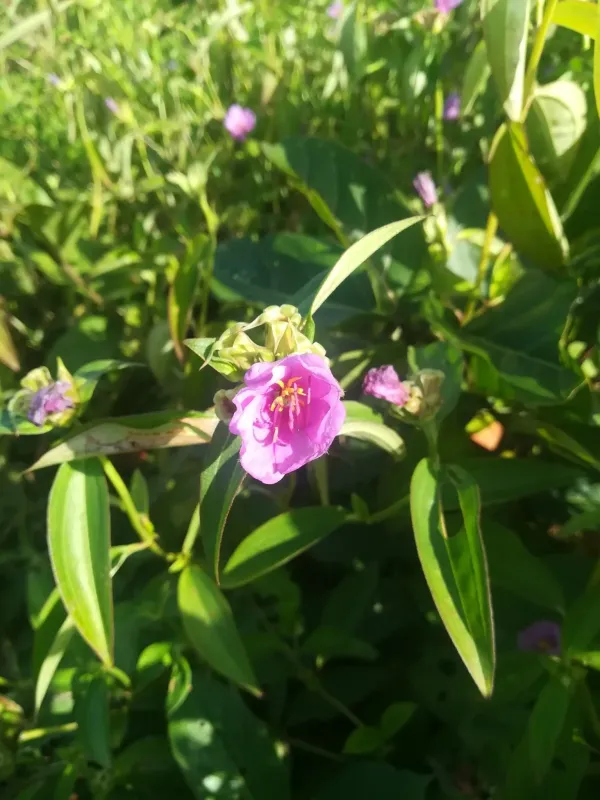
Description
Growing requirements
Melastomastrum capitatum is a perennial subshrub belonging to the Melastomataceae family. It is native to the tropical regions of Africa, where it thrives in moist, humid environments within lowland forest areas or along forest edges.
The plant is botanically recognized by its opposite, prominently veined leaves and its dense, head-like inflorescences. These specialized flower clusters are adapted for specific pollinators, making the plant an integral part of its local ecosystem biodiversity.
In terms of climate requirements, the crop demands high temperatures and consistent humidity levels throughout the year. It does not tolerate frost or prolonged drought periods, which makes it suitable primarily for tropical and subtropical cultivation zones.
Soil management is crucial for the success of Melastomastrum capitatum. It requires well-draining, acidic to neutral soil that is rich in organic matter. Waterlogged conditions must be avoided to prevent root suffocation and subsequent decay.
For agricultural purposes, the species is often valued for its ornamental potential in landscaping and climate-controlled gardens. Its unique growth habit and persistent flowering make it an attractive subject for horticulture and specialized botanical collections.
Main diseases and pests
The primary threats to Melastomastrum capitatum include fungal infections such as leaf spot diseases, which proliferate rapidly in high-humidity conditions with poor air circulation. Regular pruning is recommended to improve airflow.
Root-knot nematodes can significantly impair growth if the soil composition is too sandy or lacks adequate organic structure. Crop rotation or the use of sterile growing media is essential to mitigate these subterranean pest issues.
Aphids and mealybugs often target the tender shoots and floral buds, leading to stunted development. Integrated pest management, focusing on biological controls like ladybugs or neem oil applications, is highly effective for this crop.
Spider mites represent a risk, particularly during dry seasons or in indoor cultivation environments. These pests thrive in warm, dry air and can cause severe chlorosis of the leaves if left unchecked by misting or miticide treatments.
Viruses and phytoplasmas can severely impact plant health, often manifesting as mosaic patterns on foliage or distorted leaf growth. Strict sanitation practices, including the removal of infected plants, are necessary to prevent the spread of these pathogens.