
Melastoma malabathricum
Melastoma malabathricum L.
Description
Growing requirements
Melastoma malabathricum L., belonging to the Melastomataceae family, is a robust tropical evergreen shrub native to various regions across South and Southeast Asia. It is often found thriving in disturbed habitats, roadsides, and open forest areas.
The plant requires a tropical climate with high rainfall and high humidity levels. It performs best in acidic, well-draining soil types, showing significant tolerance to heavy metal-rich or nutrient-poor soils, which makes it suitable for ecological restoration.
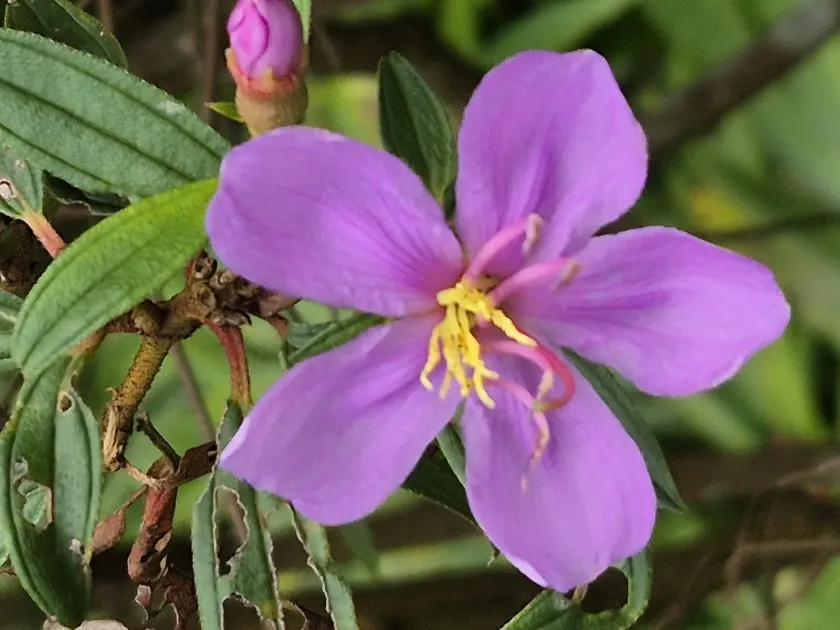
Botanically, it is distinguished by its velvety, ovate leaves with prominent parallel veins and striking purple-pink five-petaled flowers. The plant usually reaches a height of 1 to 3 meters, depending on the growing conditions and pruning management.
In terms of agricultural and commercial use, the plant is primarily harvested for its medicinal properties. Various parts, including leaves and roots, are utilized in traditional medicine for their anti-inflammatory, antioxidant, and wound-healing compounds.
Successful cultivation requires consistent soil moisture management and light exposure. Propagation is typically achieved via seeds or stem cuttings, with optimal growth occurring in full sun to partial shade, which enhances flower production and plant vigor.
Main diseases and pests
The primary threats to this crop include fungal pathogens that cause root rot, particularly in poorly drained or waterlogged soils. Ensuring an effective drainage system is essential for maintaining plant health and longevity.
Pest issues often involve infestations by aphids, mealybugs, and leaf-chewing insects. Integrated pest management, focusing on biological controls, is highly recommended to ensure the purity of the plant material for medicinal production.