
Brachyotum ledifolium
Brachyotum ledifolium
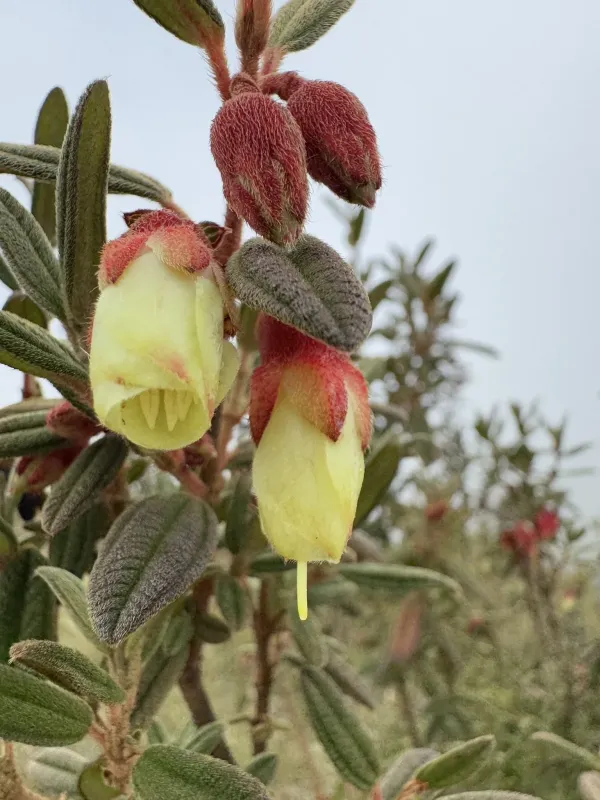
Description
Growing requirements
Brachyotum ledifolium is a distinctive evergreen shrub belonging to the Melastomataceae family. It is native to the high-altitude regions of the Andes, thriving in cool, misty environments.
This species requires specific growing conditions, favoring cool temperatures and high atmospheric humidity typical of its high-elevation origin. It is best suited for greenhouses or cool indoor spaces.
The soil should be acidic, lightweight, and possess excellent drainage properties. A mix of peat, perlite, and coarse sand is recommended to prevent root suffocation.
Consistent moisture is key; the plant should be watered with soft or distilled water to avoid mineral buildup, which the sensitive root system of this species does not tolerate well.
Beyond its ornamental appeal, the plant is primarily studied by botanical enthusiasts for its unique ability to adapt to high-altitude stress, making it a specialized subject in horticulture.
Main diseases and pests
Root rot is the most common threat to Brachyotum ledifolium, usually caused by overwatering or poorly draining soil mixtures that limit airflow.
Spider mites are the most frequent insect pests, often appearing in indoor settings where humidity levels are insufficient for the plant's natural requirements.
Mealybugs can also infest the stems and leaves, extracting nutrients and weakening the overall vigor of the shrub if not treated immediately.
Fungal leaf spots may occur in environments with poor air circulation and high humidity, necessitating proper ventilation protocols for the growing area.
Effective management of these threats involves a combination of integrated pest control measures and maintaining optimal environmental parameters to keep the plant's defense system strong.