
Angiopteris lygodiifolia
Angiopteris lygodiifolia
Description
Growing requirements
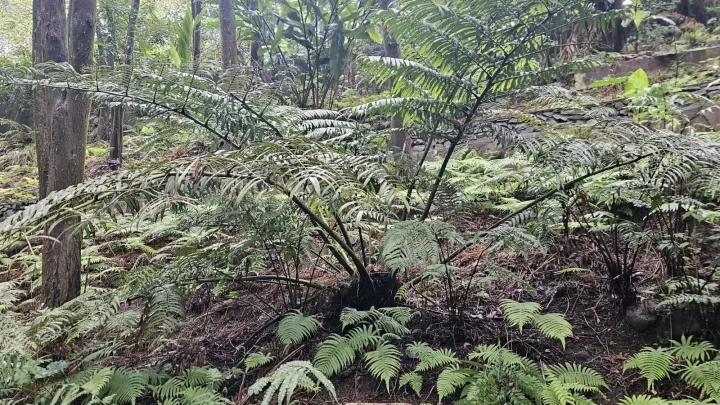
Angiopteris lygodiifolia is a robust fern species belonging to the Marattiaceae family. It is recognized for its thick, succulent rhizomes and large, arching fronds that demonstrate a unique, primitive morphology typical of this ancient botanical group.
The native distribution of this fern includes the humid subtropical and tropical forests of East Asia, particularly in Japan and Taiwan. In its natural habitat, the plant thrives in shaded niches where the microclimate provides consistent moisture levels and protection from harsh weather conditions.
Cultivation of this species requires strict adherence to environmental parameters, with an optimal temperature range between 20°C and 25°C. High humidity levels are essential, and the plants should be shielded from direct sunlight to prevent leaf scorch and desiccation of the delicate frond segments.
The potting medium must be porous, well-draining, and rich in organic matter. A mixture consisting of peat, leaf mold, and horticultural charcoal is often recommended to maintain adequate aeration while holding sufficient moisture to support the plant's metabolic processes.
This fern is primarily cultivated for ornamental purposes in botanical gardens and conservatories. Its striking stature and historical evolutionary lineage make it a prized specimen for enthusiasts of rare tropical plants and ancient flora preservation.
Main diseases and pests
The most common issues for Angiopteris lygodiifolia in a controlled environment are related to water management. Over-saturation of the substrate, especially when temperatures drop, frequently causes root rot, which can quickly prove fatal to the succulent rhizome structure.
Pests such as scale insects and spider mites are frequent threats, particularly in glasshouse conditions where air circulation might be poor. Spider mites, in particular, flourish in dry air, feeding on the undersides of the fronds and causing chlorosis and premature leaf shedding.
Management strategies involve regular monitoring for early signs of infestation and maintaining appropriate humidity to discourage pest development. If chemical intervention is necessary, it is vital to use products explicitly safe for ferns to avoid toxicity or leaf damage.
Fungal spot diseases can occur if water sits on the fronds for extended periods. To prevent this, irrigation should be directed towards the base of the plant, and overhead watering should be avoided, particularly during the cooler parts of the day.
Maintaining high hygiene standards in the growing area is crucial for long-term health. Regular removal of dead or decaying organic material from the soil surface prevents the proliferation of pathogens that could compromise the plant's integrity.