
Sidalcea hybrids
Sidalcea hybrids
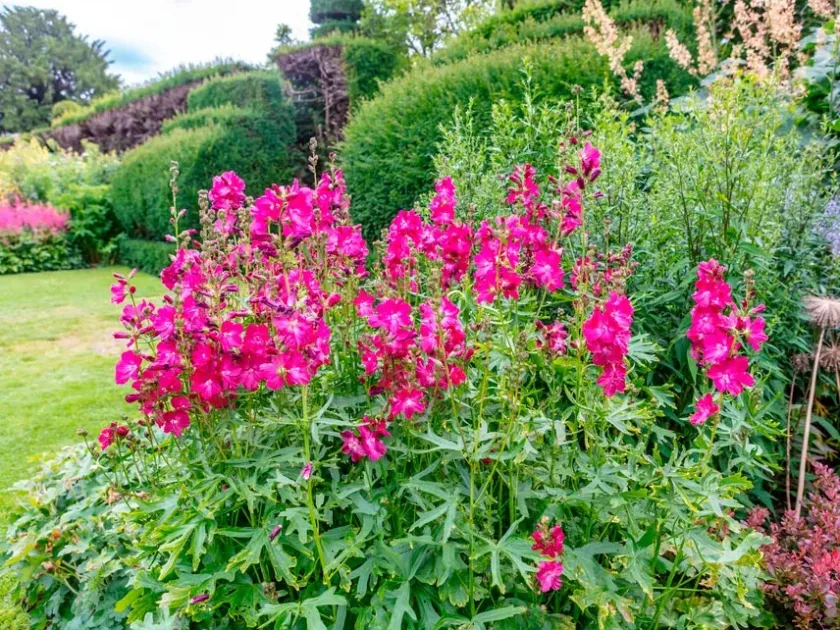
Description
Sowing dates
Sowing seeds of Sidalcea hybrids can be done in early spring directly in the garden or in late autumn for winter sowing. The seeds typically require a cold stratification period of 4-6 weeks to improve germination rates significantly.
Indoor propagation is highly effective for getting a head start on the season. Sow the seeds in trays during late winter in a greenhouse, maintaining a temperature range of 18-20 degrees Celsius for optimal results.
Seeds need light for germination and should be sown on the surface of the soil, covered only by a very thin layer of substrate. Keep the soil moist consistently using a mist sprayer to avoid disturbing the seeds.
Once seedlings have developed two true leaves, they should be pricked out and transplanted into individual pots. This practice encourages a strong, deep root system which is essential for the plant's later performance.
Hardening off the plants is a crucial step before transplanting them into the garden. Once all risk of frost has passed, plant them in their permanent location, spacing each plant about 30-40 centimeters apart.
Growing requirements
Sidalcea hybrids, members of the Malvaceae family, are stunning perennials known for their tall, spike-like flowers that bloom in shades of pink, red, and white. They add a vertical dimension to any garden border.
The plants thrive in full sun but appreciate some afternoon shade in regions with extremely hot summers. Ensuring protection from strong winds is important to keep their slender stalks from leaning or breaking.
They prefer fertile, well-draining soil with a neutral pH level. If your garden has heavy clay soil, incorporating organic matter and sand can help improve drainage and prevent the roots from rotting.
Adequate hydration is necessary during the active growing season, especially during hot spells. However, ensure that the soil remains moist but never waterlogged to avoid long-term damage to the crown.
Fertilizing with a balanced liquid fertilizer twice per season provides the necessary nutrients for vigorous growth. Deadheading faded flower spikes helps encourage the plant to produce a secondary flush of blooms.
Main diseases and pests
Aphids and spider mites are the most common pests affecting Sidalcea. These small insects tend to feed on the undersides of leaves; frequent monitoring and the use of targeted insecticides can manage them effectively.
Rust disease is a frequent concern, characterized by orange or brown pustules on the foliage. To mitigate this, remove any infected leaves immediately and improve air circulation around the base of the plant.
Powdery mildew can manifest during periods of high humidity or poor ventilation. Keeping the plants spaced appropriately and avoiding overhead watering during the late evening can prevent the spread of fungal spores.
Slugs and snails may attack young plants early in the spring. Implementing barrier methods or using eco-friendly bait can protect the developing foliage from these persistent garden pests.
Maintaining a clean garden bed is the best preventive strategy against diseases. Removing dead plant material in the autumn eliminates potential overwintering sites for both pests and harmful fungi.