
Pachira
Pachira Aubl.
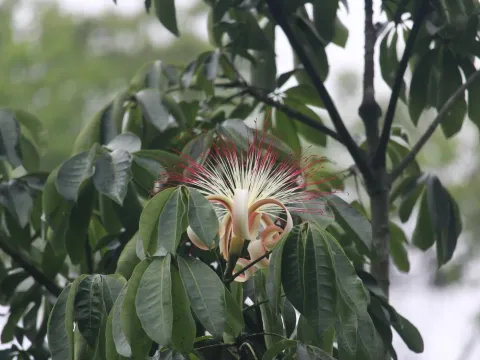
Pachira (Pachira Aubl.) is a genus of trees belonging to the Malvaceae family. The most prominent species in cultivation is Pachira aquatica, native to the tropical wetlands and swamp forests of Central and South America.
What the section contains


Pachira
The culture thrives in stable tropical conditions with temperatures between 20°C and 25°C. It is highly sensitive to cold, and temperatures dropping below 15°C can cause severe physiological stress or death to the plant tissue.
Requirements for soil include a loose, well-draining substrate. While the plant originates from wet areas, it requires significant soil aeration to prevent root rot, making drainage the most critical factor in its successful management.
Light requirements are centered on bright, indirect sunlight. Exposure to direct harsh sun, especially in non-native climates, often results in leaf scorch, while shade-grown conditions must be carefully managed to maintain plant vigor.
Agrotechnical practices involve scheduled irrigation and periodic fertilization during the growing season. Propagation in agricultural settings is typically achieved through seeds or stem cuttings, which are then grown in controlled greenhouse environments.
Pachira serves multiple economic purposes. Its seeds are edible and can be processed into flour or consumed roasted, acting as a valuable nutritional resource in several tropical regions where the tree is grown locally.
Commercially, Pachira is a major player in the global ornamental plant trade. Its ability to withstand indoor environments when young and its distinct braided trunk make it a high-value export crop for nurseries worldwide.
The primary pests affecting Pachira include spider mites, scale insects, and mealybugs. These infestations are often linked to low humidity or poor airflow; management involves integrated pest control measures and regular inspection of the foliage.
Fungal issues, particularly root rot, are the most frequent diseases encountered in poorly managed systems. Effective control relies on stringent water management protocols and the use of appropriate fungicides when early signs of decay are observed.