
Malabar chestnut
Pachira aquatica Aubl.
Description
Growing requirements
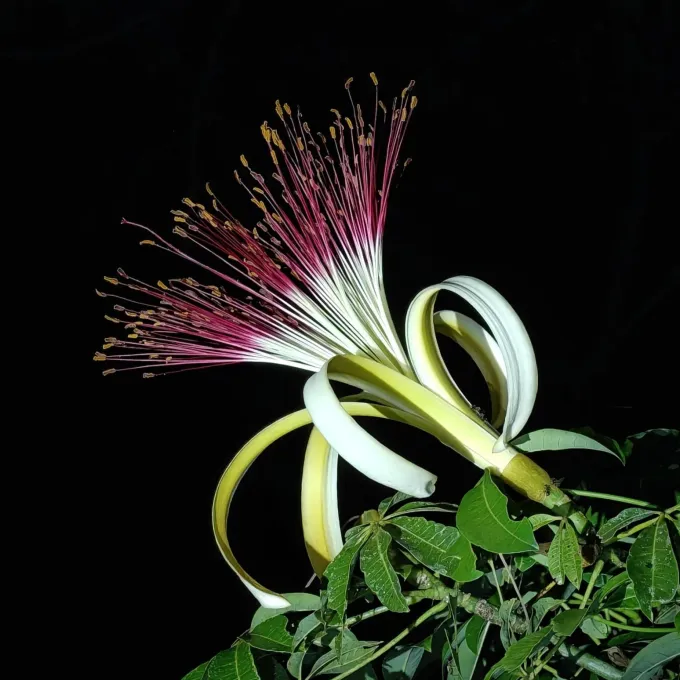
Pachira aquatica, commonly known as the Malabar chestnut, belongs to the Malvaceae family. This tropical tree is native to the wetlands and swamps of Central and South America, where it can reach impressive heights, characterized by its thick, water-storing base.
The crop thrives in tropical climates where the temperature remains consistently between 20 and 25 degrees Celsius. It is highly intolerant to frost, making protected cultivation in greenhouses necessary in regions outside of its natural habitat to prevent tissue damage.
Soil requirements for optimal growth involve a well-draining, nutrient-rich substrate. A slightly acidic to neutral pH is preferred. In commercial production, peat-based mixtures with perlite are standard to ensure the root system is well-oxygenated while retaining essential moisture.
Light intensity plays a crucial role in plant physiology. Pachira aquatica prefers bright, indirect sunlight. Excessive exposure to direct solar radiation can damage the foliage, while inadequate light inhibits growth and results in weak, spindly stems that lack aesthetic value.
Economically, the plant is primarily cultivated as a decorative ornamental, specifically for its braided stems. Additionally, its seeds are edible and can be processed for oil or consumed cooked, providing a significant source of nutrition in indigenous agricultural practices.
Main diseases and pests
Spider mites represent a major threat to Pachira aquatica, particularly in environments with low humidity. They congregate on the undersides of leaves, causing discoloration and eventual drop, which significantly impacts the plant's health and marketability.
Mealybugs are another common pest that damages the crop by sucking sap from the stems and young growth. Their presence is often detected by a white, cottony appearance, and they require prompt treatment with systemic insecticides to prevent large-scale infestation.
Root rot, primarily caused by Phytophthora or Pythium species, occurs due to waterlogged soil conditions. This disease is the leading cause of plant mortality in nursery settings, underscoring the critical importance of moisture management and professional drainage systems.
Fungal leaf spot diseases are common in greenhouse environments with high humidity and limited airflow. Application of copper-based fungicides as a preventative measure is a standard practice to ensure high-quality foliage and prevent losses.
Integrated Pest Management (IPM) is highly recommended for the sustainable cultivation of Pachira aquatica. This includes monitoring pests, maintaining proper spacing between plants to improve airflow, and sanitizing tools to prevent the transmission of pathogens.