
Pachira glabra
Pachira glabra Pasq.
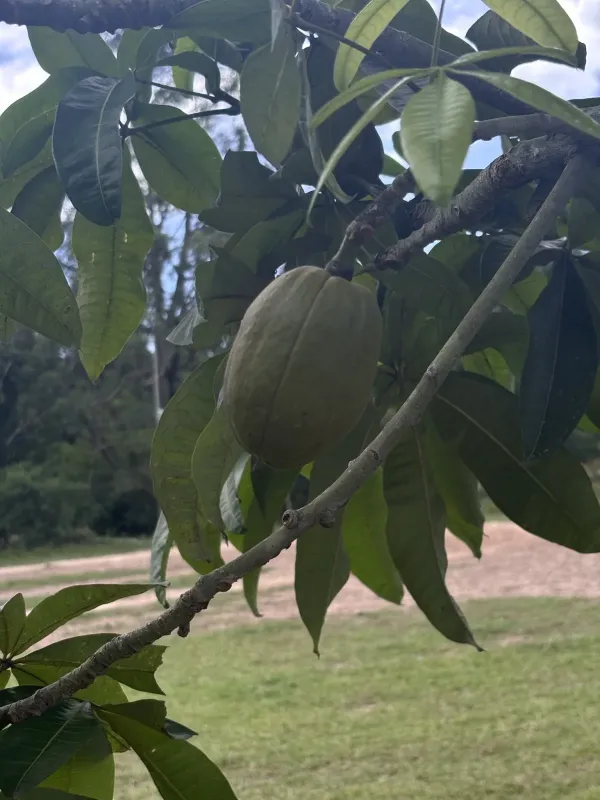
Description
Sowing dates
The propagation of Pachira glabra is primarily achieved through seeds, which must be sown immediately after harvest as they rapidly lose their viability.
For successful germination, the seeds require a well-aerated, moisture-retaining substrate kept at a stable temperature range of 24 to 28 degrees Celsius.
Vegetative propagation involves using semi-hardwood cuttings planted in protected environments, utilizing rooting hormones to enhance successful establishment.
Commercial plantations favor seed-grown plants, as this method produces specimens with a robust caudex, which is a desirable trait for the species.
The optimal time for sowing is during the spring, which ensures a sufficiently long growing season for the young plants to develop strong root systems.
Growing requirements
Pachira glabra belongs to the Malvaceae family and thrives in tropical climates characterized by high, stable temperatures and the absence of cold drafts.
The crop prefers fertile, well-draining soils; waterlogging must be avoided at all costs, as it leads to root decay and significant plant mortality.
High-intensity, filtered light is essential, as direct sunlight can cause leaf scorch and damage the ornamental trunk of the specimen.
The plant requires high humidity levels for optimal growth, making automated misting systems necessary for large-scale greenhouse cultivation.
The thickened base of the trunk serves as a reservoir for water storage, allowing the plant to withstand occasional periods of drought in its natural habitat.
Yield
The agricultural value of Pachira glabra lies in its edible seeds, which possess a flavor profile similar to peanuts and are a valuable food source.
Yield capacity depends on environmental conditions and plant maturity, with fruit production typically beginning after the plant reaches a specific physiological age.
The seeds are dense in healthy fats and proteins, making them an important commodity for local populations and a potential industrial food resource.
Besides the seeds, the flowers and leaves of the plant are also edible and utilized in various culinary preparations across different tropical regions.
Commercial harvesting processes prioritize the selection of ripe pods, ensuring that the harvested seeds meet quality standards for consumer distribution.
Main diseases and pests
Common phytopathological issues include fungal infections arising from excessive soil moisture, which often result in stem or root rot.
Pests such as spider mites and scale insects are particularly problematic, especially in low-humidity environments where they can proliferate quickly.
Integrated pest management strategies should be employed, including regular health monitoring and the application of appropriate biological or chemical treatments.
Preventative measures include maintaining proper air circulation in the greenhouse and avoiding overcrowding, which helps limit the spread of diseases.
If disease symptoms appear, affected plant parts must be promptly removed, and equipment should be disinfected to prevent the spread of pathogens.
Harvesting
Harvesting is performed selectively as the fruits mature and the woody pod begins to split naturally, signaling that the seeds are ready for collection.
Care must be taken during harvesting to avoid mechanical damage to the branches, as the plant needs to maintain its structural integrity for future cycles.
Once collected, the seeds are cleaned of fruit residue and dried to reduce moisture content, which is crucial for preventing spoilage during storage.
Storage facilities for the harvested product must provide dry, cool, and well-ventilated conditions to prevent mold and bacterial growth.
Due to the variation in pod maturity, harvesting is typically a manual process that ensures only high-quality, fully ripened seeds are collected.