
Cienfuegosia rosei
Cienfuegosia rosei
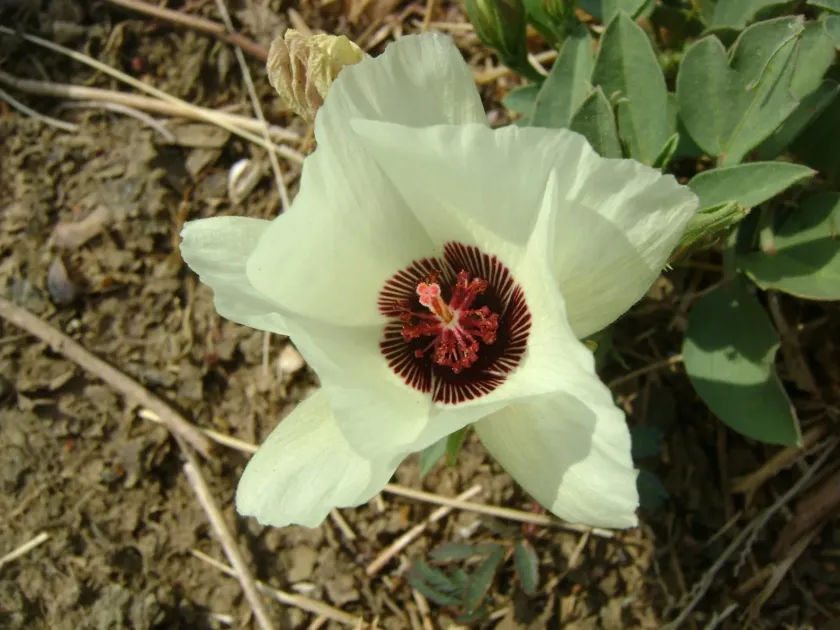
Description
Growing requirements
Cienfuegosia rosei is a notable member of the Malvaceae family, native to the arid landscapes of Mexico. This plant is well-regarded for its resilience in high-temperature environments, making it a subject of interest for both botanical study and specialized ornamental landscaping.
The plant thrives in full sun conditions, requiring high light intensity to maintain its compact growth habit and promote vibrant flower production. In cultivation, it should be positioned where it can receive unrestricted access to direct sunlight throughout the majority of the day.
Regarding soil requirements, Cienfuegosia rosei demands excellent drainage. The root system is highly sensitive to waterlogging, which often leads to rapid decline and rot. Growers typically utilize sandy, loose substrates with a near-neutral pH to ensure optimal aeration and root health.
Temperature management is critical for this species. As a plant of subtropical origin, it is highly sensitive to frost. Consequently, it must be grown in controlled environments or sheltered zones where temperatures do not dip near the freezing point, even during the cooler seasons.
Economically, Cienfuegosia rosei is primarily valued in the niche ornamental market. Its ability to tolerate dry heat makes it a potential candidate for low-water landscaping projects, provided that the soil architecture is appropriately managed to prevent moisture accumulation.
Main diseases and pests
The most common biological threats to Cienfuegosia rosei in a controlled environment are sucking insects, specifically spider mites and whiteflies. These pests exploit the plant's preference for dry conditions, necessitating consistent monitoring of the foliage to detect early infestations.
Pathogenic threats, particularly root rot, are usually the result of excessive irrigation or poorly drained growing media. If the soil remains saturated for extended periods, it fosters an environment where pathogenic fungi can easily attack the plant's root system.
Effective management involves a strict irrigation protocol where the soil is allowed to dry significantly between watering cycles. This practice helps to replicate the plant's natural environmental conditions and significantly reduces the risk of fungal proliferation.
Chemical intervention should be reserved for severe cases, utilizing systemic pesticides that target specific pests without compromising the overall health of the plant. Biological controls, such as beneficial insects, can also be employed in greenhouse settings.
Maintaining proper air circulation is essential for preventing the buildup of humidity around the base of the plant. Good ventilation discourages the development of both fungal spores and localized insect colonies, ensuring a more stable and healthy crop.