
Cienfuegosia drummondii
Cienfuegosia drummondii
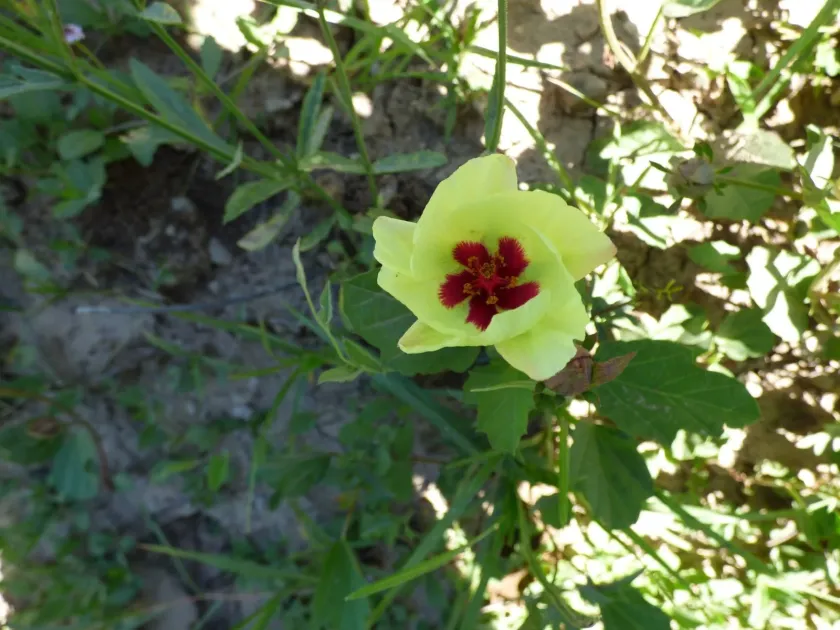
Description
Sowing dates
Cienfuegosia drummondii is a distinctive member of the Malvaceae family, native to arid and semi-arid regions. It is well-adapted to surviving in challenging environmental conditions typical of its natural habitat.
The sowing process begins in late spring, ensuring the soil has sufficient thermal energy to support rapid germination. Optimal soil temperatures for this species typically range between 20°C and 25°C.
Seeds should be sown in shallow furrows, ideally covered with a thin layer of light soil to ensure stability while allowing access to essential light, which plays a key role in germination success.
Strategic placement in the field is crucial; the crop requires significant open space to develop its branching structure. Using controlled planting patterns helps in managing the crop density effectively.
Early-stage growth requires careful irrigation management. Establishing a consistent moisture regime without saturating the soil is vital for developing a robust seedling root system.
Growing requirements
This species thrives in high-light environments and requires full exposure to sunlight to reach its maximum productive potential. Shaded areas are detrimental to the plant's physiological development.
Soil composition should ideally be sandy or loamy with excellent drainage properties. The plant demonstrates high tolerance to poor soil quality but performs exceptionally well in well-aerated substrates.
Water requirements are relatively low once the plant is established. It exhibits xerophytic traits that allow it to conserve water and survive extended periods of low precipitation.
Fertilization should prioritize phosphorous and potassium over nitrogen to support reproductive growth. Excessive nitrogen promotes vegetative overgrowth and can suppress flowering capacity.
Climate adaptability is limited to warm-temperate and tropical regions. Exposure to frost can cause irreparable damage to the vascular tissues, necessitating protective measures in cooler climates.
Yield
In a controlled agricultural context, the yield of this plant is primarily assessed by the volume of floral output and vegetative biomass produced during the growing season.
Consistent care, including timely weeding and nutrient application, directly correlates with higher production levels. Optimization of flower yield is usually the goal for specific ornamental purposes.
Harvesting strategies involve selecting the peak period of bloom when plant health is at its maximum, ensuring that the harvest does not deplete the plant's energy reserves too severely.
Sustainable harvesting practices involve manual collection of plant materials, maintaining the integrity of the main stem to allow for potential secondary growth later in the season.
Proper post-harvest storage is essential for maintaining the quality of the harvested biomass, particularly in ensuring it remains free from excessive moisture to prevent mold growth.
Main diseases and pests
Pest pressures are most significant during the peak growing months. Aphids and spider mites are common threats that target the soft tissues of the plant, potentially causing stunted growth.
Diseases such as powdery mildew may appear if local humidity levels increase unexpectedly or if plants are spaced too closely, hindering airflow around the foliage.
Management of these threats involves an integrated approach, utilizing cultural practices such as spacing adjustment and, if necessary, targeted applications of organic-based control agents.
Root pathogens are a constant risk in poorly drained soils. Avoiding water accumulation in the root zone is the most effective preventative measure against soil-borne diseases.
Field monitoring is a critical component of crop health. Regular inspections of the underside of leaves and stems allow for the early detection and management of potential outbreaks.