
Yellow Orchid Vine
Callaeum macropterum
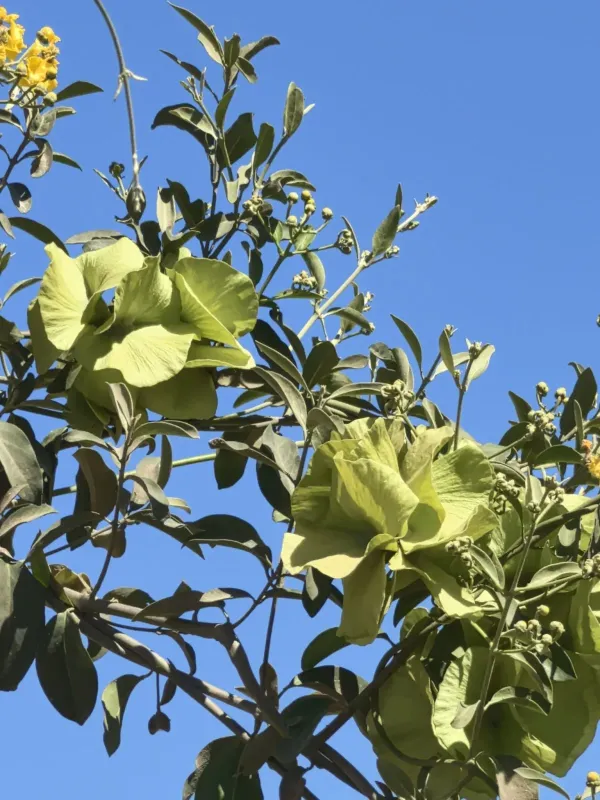
Description
Sowing dates
Propagation of Callaeum macropterum is typically achieved through seeds or semi-hardwood cuttings. Seeds should be sown in the spring into a light, well-draining potting medium.
Maintaining a stable temperature between 20-22 degrees Celsius is essential for successful germination. Keeping the substrate consistently moist but not waterlogged promotes uniform seedling development.
Cuttings should be taken in late summer from healthy, semi-hardwood stems. Applying rooting hormones to the base of the cuttings can significantly increase the chances of successful rooting.
Seedlings should be repotted or moved to individual containers once the first pair of true leaves appears. This process allows the root system to establish itself before transplanting outdoors.
The best time to plant in the garden is after all danger of frost has passed. Ensure the planting site provides adequate warmth and protection from strong, drying winds to support early growth.
Growing requirements
The Yellow Orchid Vine, belonging to the Malpighiaceae family, is a vigorous evergreen climber. It thrives in full sun, which is necessary for the plant to produce its signature yellow blooms and fruit.
This species is adaptable to various soil types, provided that the soil is well-drained. In areas with heavy clay, incorporating organic matter and sand can help improve soil aeration and drainage.
Regular watering is required during the active growing season, especially in hot climates. However, once established, the plant shows good drought tolerance, allowing it to survive occasional dry spells.
Sturdy trellises or supports are necessary for this vine, as it naturally climbs by twining around structures. Proper training of the stems during the first year helps create an attractive shape.
Minimal fertilization is usually sufficient, but a balanced slow-release fertilizer applied in early spring can encourage more vigorous foliage growth and a longer flowering period.
Main diseases and pests
Callaeum macropterum is generally a hardy plant, but it can be susceptible to root rot if grown in poorly drained soil. Proper water management is the most important factor in preventing this disease.
Spider mites are common pests that may infest the leaves during hot and dry weather. Regular misting or the use of neem oil can help keep mite populations under control effectively.
Aphids can occasionally attack new growth and flower buds. Small infestations can be managed by washing the plants with a gentle stream of water or using insecticidal soaps.
Poor air circulation may lead to fungal issues like powdery mildew. Ensuring the plants are spaced appropriately and pruning away overly dense foliage improves airflow and reduces disease risk.
Monitoring the plant for signs of stress, such as yellowing leaves or wilting, allows for early intervention. Proper sanitation by removing dead or diseased parts keeps the vine healthy.