
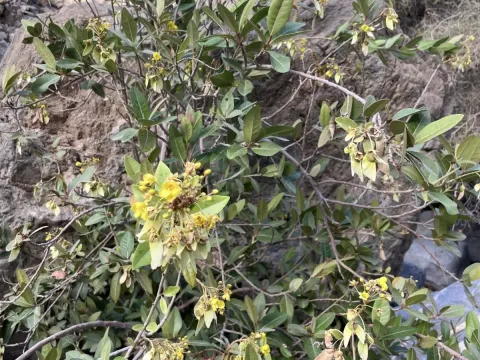
Acridocarpus
Acridocarpus
Acridocarpus is a genus of shrubs and lianas belonging to the Malpighiaceae family. Native primarily to the tropical regions of Africa, Madagascar, and parts of Asia, these plants are well-adapted to savanna environments and woodland margins.
What the section contains


Acridocarpus
The plant requires a tropical climate to flourish, thriving in regions where temperatures remain consistently warm throughout the year. Frost sensitivity is high, making it unsuitable for open-field cultivation in temperate zones without strict greenhouse climate control.
Soil requirements focus on excellent drainage and aeration. Acridocarpus prefers substrates with a neutral or slightly acidic pH level. In cultivation, it is essential to prevent waterlogging, which often leads to root decay and physiological stress.
Light intensity plays a critical role in the growth and biomass production of the plant. While it tolerates partial shade, full sun exposure is generally preferred to maintain a sturdy structure and promote healthy vegetative development.
Economically, some Acridocarpus species have been traditionally used in local medicine. Ongoing research into the chemical properties of its leaves and bark highlights its potential value, though it remains a niche crop rather than a mass-market commodity.
Fungal diseases represent the primary threat to Acridocarpus, particularly in environments with poor air circulation. Root rot and damping-off can devastate seedlings if the soil moisture levels are not carefully monitored and controlled.
Pests such as spider mites are frequent invaders in indoor or greenhouse settings. These pests cause significant damage by piercing leaf tissue, leading to chlorosis and reduced photosynthetic efficiency if not treated promptly.
Mealybugs are another common concern, often clustering in the leaf axils. Their presence weakens the plant and promotes the growth of sooty mold on the foliage, which further hinders the plant's metabolic functions.
Effective management requires a combination of cultural practices, such as maintaining proper spacing, and chemical control when necessary. Integrated Pest Management (IPM) is highly recommended to keep populations under control without excessive chemical use.
Regular sanitation, including the removal of dead or decaying plant material, is essential to lower the inoculum level of pathogens. Maintaining optimal environmental conditions remains the most effective strategy for preventing disease outbreaks in this culture.