
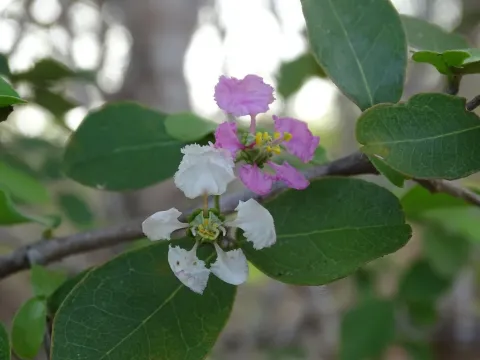
Acerola
Malpighia L.
Acerola (Malpighia L.), belonging to the Malpighiaceae family, is primarily propagated through vegetative methods such as cutting to ensure clonal uniformity.
What the section contains

Acerola
Cuttings are placed in specialized nurseries where precise humidity levels and controlled soil temperatures are maintained to promote root development.
Once the root system is well-established, usually after a few months, the saplings are hardened off and prepared for transplanting.
In commercial orchards, planting is typically scheduled at the beginning of the rainy season to enhance survival rates and initial establishment in the field.
Optimal tree spacing is essential for air circulation and light penetration, directly impacting the long-term productivity of the plantation.
As a tropical crop, Acerola requires warm climatic conditions and is highly sensitive to frost, which limits its commercial cultivation to frost-free regions.
The plant thrives in well-drained, fertile soils with a pH ranging from slightly acidic to neutral, avoiding areas prone to waterlogging.
Sunny, sheltered locations are preferred to prevent physical damage to the brittle branches and to maintain high photosynthetic efficiency.
While the tree shows some tolerance to temporary dry spells, regular irrigation is vital for sustained growth and optimal fruit set.
Regional variations in climate influence the selection of cultivars, with many growers preferring those with proven local adaptation.
Acerola is renowned for its extraordinary nutritional value, boasting one of the highest concentrations of Vitamin C among all fruit crops.
The yield potential of an established tree is substantial, often allowing for multiple harvests within a single growing season.
Fruit quality, specifically in terms of ascorbic acid content, is heavily influenced by soil fertility and precise nutrient management.
Harvesting for commercial purposes involves strict timelines, as the fruits must be collected at peak maturity to ensure quality.
Modern agrotechnical approaches, including balanced fertilization and canopy management, significantly boost overall farm productivity.
Root rot is the most significant pathological threat, often caused by poor drainage or excessive soil moisture levels during rainy periods.
Insect pests, including scale insects and spider mites, can severely impact plant health and cause leaf yellowing or premature fruit drop.
Integrated Pest Management (IPM) strategies are commonly implemented to control populations without relying solely on chemical pesticides.
Regular sanitary pruning helps to reduce the incidence of fungal diseases by increasing sunlight exposure throughout the canopy.
- Monitor for signs of pest infestation weekly.
- Maintain proper drainage in the orchard layout.
- Apply balanced organic fertilizers to maintain tree vigor.
Harvesting Acerola is a labor-intensive process due to the delicate nature of the fruits, which bruise easily during handling.
Manual picking is standard practice to maintain fruit integrity, ensuring that only fully ripe berries are collected for processing.
Because Acerola berries have a very short shelf life, they are usually processed into juice, puree, or freeze-dried powder immediately after harvest.
Cooling the harvested fruit rapidly is crucial to preventing metabolic degradation and maintaining the high Vitamin C concentration.
Efficient supply chain management is essential to bridging the gap between the harvest site and the processing facility for maximum profit.