
Acridocarpus excelsus
Acridocarpus excelsus
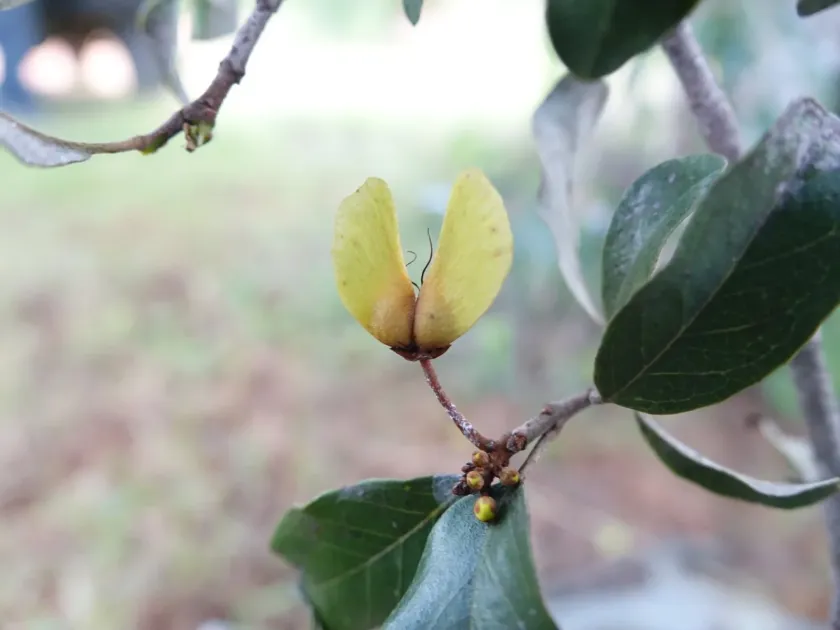
Description
Growing requirements
Acridocarpus excelsus is a notable species within the Malpighiaceae family. Originating from Madagascar, this plant thrives in tropical environments where moisture and heat remain consistent throughout the year.
The plant requires deep, well-draining soil rich in organic matter. Agricultural success is heavily dependent on maintaining optimal soil porosity to prevent root asphyxiation, which can occur during heavy tropical rains.
Climatic requirements involve constant high humidity levels. In cultivated environments, farmers often use drip irrigation systems to ensure a steady supply of moisture without waterlogging the root zone.
Light intensity plays a critical role in the vegetative phase. While the mature tree prefers full sun, seedlings require partial shade to establish their root systems effectively during the first year.
Maintaining soil pH between 5.5 and 6.5 is crucial for nutrient uptake. Regular monitoring of micro-element concentrations in the soil is recommended to avoid deficiencies common in intensive tropical cultivation.
Harvesting
The harvesting of Acridocarpus excelsus focuses on its fruits and seeds, which are prized for their specific bioactive compounds. The harvest season is determined by local climate patterns.
It is essential to identify the precise moment of physiological maturity. Harvesting too early results in poor quality extracts, while delayed harvesting exposes the crop to environmental degradation.
The post-harvest process involves sorting and immediate air-drying in shaded, well-ventilated areas to prevent oxidative stress and fungal contamination of the produce.
Packaging for market transport must protect the seeds from moisture, as high humidity can trigger premature germination or decay during the logistics process.
Efficient yield management is achieved through systematic pruning, which enhances air circulation within the tree canopy and facilitates easier access to the fruit clusters during the harvest period.