
Geniostoma ligustrifolium
Geniostoma ligustrifolium
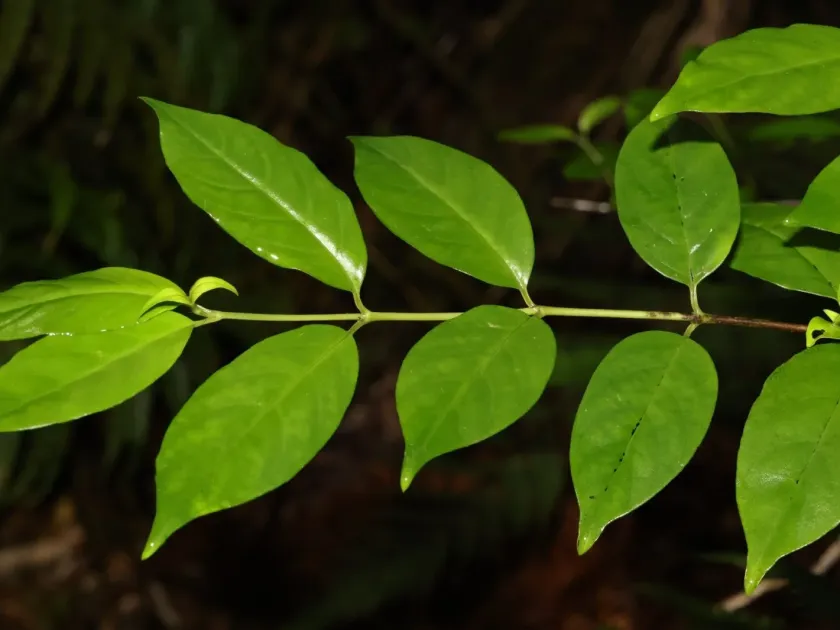
Description
Sowing dates
Propagation of Geniostoma ligustrifolium in nursery conditions is mainly carried out by seeds or cuttings. The seeds of the plant have specific germination requirements, so it is recommended to sow them in a high-moisture substrate immediately after collection, as they lose viability quickly upon drying.
To speed up the germination process, stratification is often used, simulating the natural conditions of a temperate climate. The optimal time for starting sowing operations is the spring period, when daylight hours begin to increase, which is beneficial for the development of the root system of young seedlings.
Cuttings are considered a preferred method for preserving varietal characteristics and obtaining predictable results. Semi-hardwood cuttings are taken in late summer after the active growth phase of the shoots and placed in greenhouse conditions with controlled air humidity.
The use of phytohormones for cutting treatment significantly increases the percentage of rooting. It is important to maintain a temperature range of 20–22 degrees Celsius and provide bottom heat to the substrate to stimulate the formation of callus.
Young seedlings require gradual acclimatization to the open air after being transplanted into individual containers. The hardening process is carried out over several weeks, gradually reducing shading intensity and increasing the intervals between watering.
Growing requirements
Geniostoma ligustrifolium, commonly known as hangehange among the Maori, belongs to the Loganiaceae family. This plant is endemic to New Zealand and prefers the understory of mixed forests and coastal areas where the soil is sufficiently moist.
The crop has moderate requirements for light; it grows successfully in both partial shade and diffused sunlight. Direct, scorching sun during midday hours can cause leaf burns, so the choice of planting site should take into account natural protection from overheating.
The soil substrate must have excellent drainage and contain a significant amount of humus. The plant is sensitive to waterlogging, which quickly leads to root rot, so on heavy clay soils, it is necessary to create a distinct drainage layer of expanded clay or gravel.
The optimal soil acidity ranges from slightly acidic to neutral. Applying complex organic fertilizers in the spring supports active vegetation and the formation of the shrub's dense green mass.
In regions with cold winters, the plant requires protection or container cultivation with the option of moving it to an orangery. It does not tolerate freezing temperatures below -5 degrees Celsius, which limits its widespread use in open ground outside subtropical zones.
Yield
The economic use of Geniostoma is primarily ornamental and ecological rather than agricultural in the classic sense. In gardening, it is valued for its dense, glossy foliage and unusual flowers that emit an intense, sweet fragrance during the flowering period.
The biological productivity of the shrub lies in its ability to quickly form a dense hedge, making it highly demanded in landscaping. The plant can reach a height of up to three meters, providing excellent wind protection in private garden areas.
The fruits of the crop are small capsules that split upon ripening, exposing seeds inside a bright red pulp. These fruits attract local birds, contributing to the maintenance of biological diversity in agroecosystems and private gardens.
In traditional indigenous medicine, the plant was used as a component of various remedies, but in modern plant production, the focus is on the selection of ornamental forms. The productivity of an individual specimen depends on the regularity of sanitary and formative pruning, which stimulates branching.
The economic benefit of growing this crop is linked to the sale of seedlings for phytodesign needs. Nurseries specializing in New Zealand endemics report stable demand for healthy planting material of Geniostoma ligustrifolium.
Main diseases and pests
Geniostoma ligustrifolium is relatively resistant to most pathogens, but if agricultural practices are neglected, it may be affected by powdery mildew. This disease manifests as a whitish coating on the leaf blades, which significantly reduces the plant's aesthetic value and slows down its growth.
Among pests, scale insects and false scale insects pose the greatest danger as they suck juices from young shoots. During mass reproduction of these insects, yellowing and premature leaf fall occur, as well as deformation of terminal buds.
Aphids often attack the shrub during periods of spring growth, colonizing the delicate tissues of the tops. For control, it is recommended to use biological methods, such as attracting ladybugs, or applying systemic insecticides in cases of severe infestation.
Root rots caused by fungi of the genus Phytophthora are the most critical threat arising from soil waterlogging. Preventing water stagnation and using healthy substrate are the main preventive measures for this disease.
Regular inspection of the undersides of the leaves allows for early detection of pests. Timely removal of damaged branches and maintaining an optimal level of crown ventilation keeps the risk of serious epiphytotics to a minimum.