
Thymbra spicata
Thymbra spicata
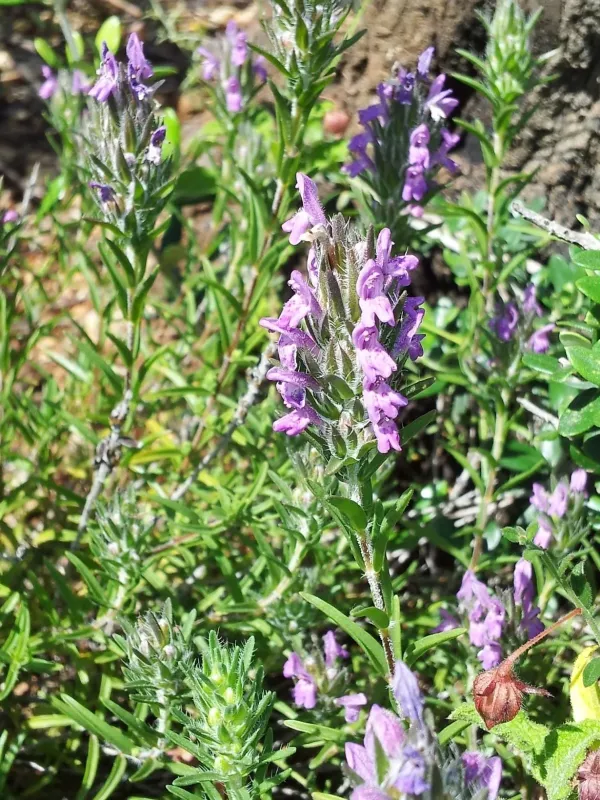
Description
Sowing dates
Thymbra spicata is a perennial herbaceous plant native to the Mediterranean basin, requiring specific temperature conditions for successful germination. Sowing is typically performed in early spring once soil temperatures reach 10-15 degrees Celsius.
For industrial cultivation, nursery propagation is preferred to ensure uniform plant establishment. Seeds are sown in trays during late winter and transferred to the field once the danger of frost has passed, usually in mid-spring.
The seeds are minute and require shallow placement in the substrate. It is crucial to maintain a light, moist surface without covering the seeds too deeply, as they require a certain amount of light for optimal germination rates.
Row spacing should be maintained between 40 to 60 centimeters to facilitate mechanical weeding and ensure adequate airflow between plants. Proper spacing is a fundamental factor in preventing humidity-related diseases in the plantation.
Once established, the seedlings exhibit high vitality. However, the first month after transplanting requires careful monitoring of moisture levels to prevent the drying out of the fragile young root system before it penetrates deep into the soil.
Growing requirements
Thymbra spicata thrives in full sun, which is the most critical environmental factor for the development of essential oils. Areas with high solar radiation provide the best conditions for producing high-quality aromatic raw materials.
The plant demands well-drained soil, preferably of a calcareous or stony nature. It is highly sensitive to waterlogging, which can lead to rapid root rot and the loss of the entire crop, making soil texture analysis essential before planting.
As a xeric species, it is remarkably drought-tolerant. Excessive irrigation is counterproductive as it dilutes the aromatic compounds and reduces the plant's natural resistance to environmental stress, making it an ideal low-water-input crop.
Soil nutrient management should be conservative. High nitrogen levels promote excessive vegetative growth at the expense of aromatic quality. Balanced phosphorus and potassium fertilizers are sufficient for maintaining long-term plant health.
Regular cultivation and weeding are essential, especially during the first year of growth. Maintaining a clean field environment reduces competition for nutrients and ensures the plant receives maximum sunlight, which is necessary for its metabolic processes.
Yield
The yield of Thymbra spicata is measured by the dry mass of flowers and leaves. A mature plantation reaches peak production from the second to the fifth year of cultivation, offering a sustainable harvest for the grower.
Yield depends heavily on the timing of the harvest and the specific chemotype of the plants grown. High-quality harvests are characterized by high carvacrol content, which is the primary value driver in the essential oil market.
Under optimal agronomic conditions, a well-managed hectare can produce significant quantities of high-value dried herb. Growers often implement biennial pruning to keep the plants productive and to maintain a manageable structure for harvesting.
Environmental factors such as high altitude and rocky substrates can influence the chemical composition of the yield. Experienced agronomists often select sites with specific microclimates to maximize the concentration of valuable bioactive substances.
Consistency is key to market success. By strictly following standardized harvesting protocols, producers ensure that each batch meets international quality standards for pharmaceutical or culinary applications.
Main diseases and pests
The high essential oil content of Thymbra spicata acts as a natural deterrent against many generalist pests. However, it is susceptible to fungal issues like powdery mildew if plant density is too high or airflow is restricted.
Root rot caused by Phytophthora species is the most severe threat to the crop. This is almost exclusively associated with improper site selection where water drainage is insufficient for the plant's physiological needs.
Pests like aphids may occasionally infest young, tender shoots during periods of high humidity. Integrated pest management (IPM) strategies, including biological control, are recommended over broad-spectrum insecticides to protect the aromatic profile.
Weed competition is a significant threat to young plantations, as weeds can host pests and pathogens. Implementing a robust weed control program during the first growth stage is vital for the long-term viability of the field.
Crop rotation is an essential preventive measure. Thymbra spicata should not be planted in fields previously used for other Lamiaceae members to prevent the buildup of species-specific soil pathogens, ensuring healthier crop cycles.
Harvesting
Harvesting is performed during the full bloom phase, which is when the plant reaches its peak metabolic activity regarding essential oil synthesis. Delaying the harvest leads to a significant decrease in the quality of the final product.
Mechanical harvesting equipment is used to cut the flowering tops. The cut must be clean, leaving sufficient woody biomass to allow the plant to regenerate for the next season without stressing the root system excessively.
Immediate post-harvest processing is mandatory. The biomass is moved to drying sheds where it is processed under controlled temperatures and dark conditions to prevent the degradation of volatile compounds and color loss.
Once dried to the required moisture level, the herb is processed through milling and sieving to separate the flowers from the stems. This classification step adds significant value to the final output based on purity standards.
Proper packaging, typically in airtight containers, prevents oxidation and moisture intake during transport. This ensures the product reaches the end-user with the original aromatic intensity, which is critical for its commercial price.