
Thymbra capitata
Thymbra capitata
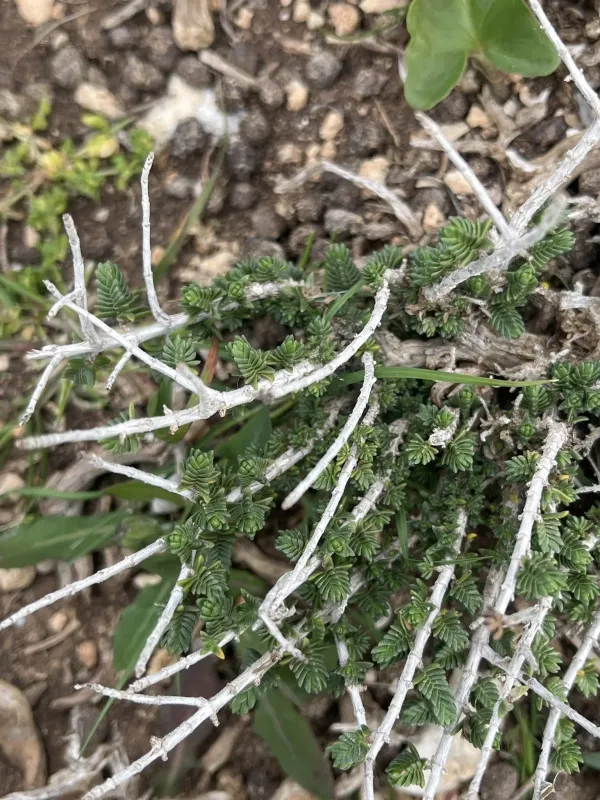
Description
Sowing dates
Thymbra capitata is a perennial subshrub typically propagated by seeds or through vegetative division of established clumps. Seed sowing in a protected nursery environment usually begins in late winter to ensure seedlings are robust enough for field transplanting by spring.
In regions with mild climates, direct seeding in the open field is possible once soil temperatures reach a consistent 15-18 degrees Celsius. Careful moisture management during the germination phase is critical, as the seedlings are delicate and prone to damping off if conditions are too humid.
When transplanting, standard spacing should be maintained to ensure proper airflow around the plants. Usually, a spacing of 40-50 cm between rows and about 30 cm between plants within a row is recommended for optimal growth and ease of maintenance.
Growth during the first year is relatively slow, making weed control a priority. Mechanical weeding between rows or mulching is essential to prevent competitive species from suppressing the young thyme bushes before they become well-established.
Autumn sowing is generally avoided due to the risk of frost damaging tender sprouts. Therefore, spring planting remains the most reliable method for establishing commercial plantations of this species.
Growing requirements
Thymbra capitata, a member of the Lamiaceae family, originates from the Mediterranean basin. Its natural habitat, characterized by dry, rocky, and sun-drenched slopes, dictates its fundamental requirements for full solar exposure and excellent drainage.
The plant thrives in light, rocky, or calcareous soils with a neutral to slightly alkaline pH. Soils with poor permeability or high clay content must be amended with grit or sand to prevent moisture accumulation at the root zone, which the plant cannot tolerate.
Climatic adaptability is focused on high drought tolerance. The plant does well in hot, arid summers but is sensitive to prolonged periods of deep freezing temperatures, which can cause significant dieback in northern or highland regions.
Fertilization should be kept to a minimum. Over-fertilization, especially with nitrogen, results in excessive green growth that lacks the high concentration of carvacrol-rich essential oils desired for commercial harvesting. A balanced application of phosphorus and potassium is sufficient.
Site preparation involves deep tillage to remove deep-rooted perennial weeds. Proper drainage must be ensured before planting, as waterlogging is the primary cause of plantation failure in this crop.
Yield
The economic value of Thymbra capitata lies in its aerial parts — the leaves and flowering shoots. Yield expectations depend on plant density, soil fertility, and age of the plantation, averaging 1.5 to 3 tons of dried herb per hectare.
Maximum concentration of essential oils is reached during the peak flowering stage. Harvesting at this specific moment is crucial for meeting industry standards for pharmaceutical and food-grade aromatic raw materials.
Beyond aromatic oil production, Thymbra is a valuable melliferous plant, highly regarded for producing high-quality honey with antiseptic properties. Integrating this crop near apiaries can significantly improve the honey yield and quality.
Commercial plantations typically remain productive for 5 to 7 years. After this period, the plants become woody, and oil quality or yield may decline, necessitating the renewal of the plot with younger stock.
A successful yield strategy involves strategic pruning post-harvest, which not only encourages bushiness but also ensures that the plants store enough energy to survive through the winter dormancy period.
Main diseases and pests
Due to the high content of aromatic compounds and essential oils, Thymbra capitata possesses natural repellent properties against many common insects, which reduces the need for heavy pesticide usage.
Root rot, driven by Phytophthora or Pythium species, is the most severe threat to the crop, usually stemming from over-irrigation or poor soil structure. If the drainage is not perfect, the plants are highly susceptible to sudden wilting and death.
Occasional infestations of aphids or spider mites can occur, particularly in poorly ventilated or overly humid conditions. Integrated pest management, focusing on biological controls, is preferred to maintain the organic purity of the harvested oil.
Weed management remains the most labor-intensive part of protecting the crop. Besides competing for space, weeds increase the micro-humidity around the base of the plant, indirectly creating an environment favorable for fungal infections.
Preventive measures include ensuring adequate spacing for cross-ventilation, avoiding sprinkler irrigation that wets the foliage, and following a sound crop rotation plan to prevent the buildup of soil-borne pathogens.
Harvesting
Harvesting is best performed on sunny, dry days after the morning dew has evaporated. This ensures that the essential oils are at their highest concentration and that the moisture content of the biomass is low, facilitating faster drying.
For large-scale operations, mechanical harvesting is utilized, with cutting heights adjusted to ensure the base of the bush remains intact for regeneration. Removing more than two-thirds of the plant height can significantly stress the shrub.
Drying must take place in shaded, well-ventilated conditions or controlled-temperature dryers. Drying temperatures should not exceed 40 degrees Celsius to prevent the loss of volatile aromatic components that determine the quality of the essential oil.
Once dried, the raw material is processed to separate the leaves and floral parts from woody stems. The resulting high-quality dry herb is then graded based on its aroma and color profile before final packaging.
Proper storage in airtight, dark containers is essential to protect the product from moisture and sunlight, which can rapidly degrade the biological and aromatic profile of the dried herb.