
Thistle sage
Salvia carduacea
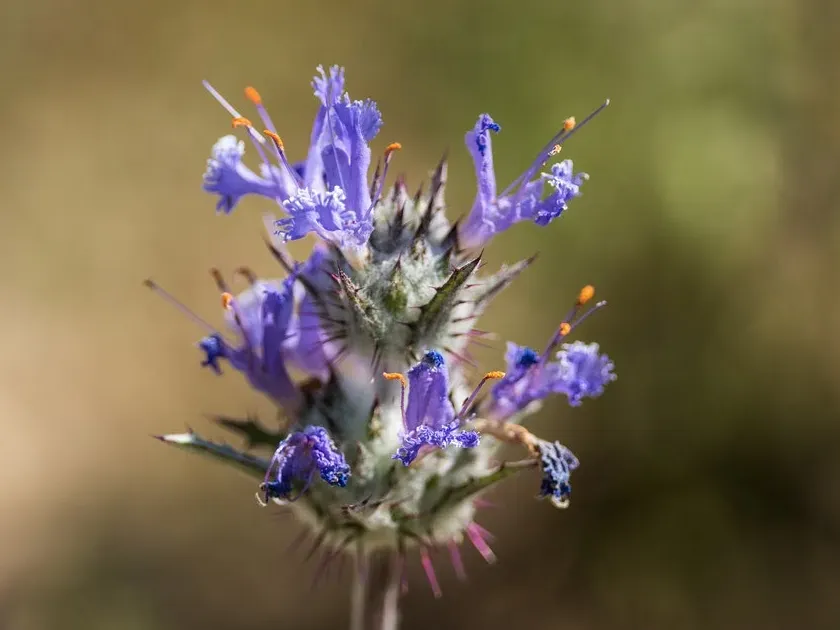
Description
Sowing dates
Salvia carduacea is an annual herb, and its life cycle requires careful planning of sowing dates. The seeds typically germinate well when exposed to moderate spring temperatures and sufficient soil moisture.
Sowing is performed in early spring, once the soil has warmed up to at least 10 degrees Celsius. Seeds should be sown shallowly, ideally at a depth of 1 centimeter, to facilitate optimal germination.
For large-scale cultivation, a row-cropping method is recommended, with spacing between rows maintained at 50-60 centimeters. This provides enough room for the plants to develop their characteristic broad leaf rosettes.
It is crucial to avoid overcrowding the seedlings to ensure that each plant receives adequate sunlight and ventilation. Over-sowing often leads to weaker plants prone to various fungal infections.
In regions with late frosts, using greenhouse transplants can be an effective strategy. Plants are moved outdoors as soon as the danger of freezing temperatures has passed.
Growing requirements
Thistle sage is native to arid environments and thrives in full sun. Selecting an open location with exposure to sunlight for at least 8 hours a day is essential for vigorous growth.
Well-drained soil is a fundamental requirement. Sandy or gravelly soil types are preferred, as these prevent water stagnation, which is the primary cause of root failure in this species.
The plant is highly drought-tolerant, utilizing its silvery foliage to reflect sunlight and minimize water loss through transpiration. This makes it a robust candidate for low-maintenance gardening.
Moderate nutrient levels are sufficient for healthy growth. Over-fertilizing, especially with nitrogen-based products, should be avoided as it encourages excess foliage and may suppress blooming.
The soil pH should ideally range from neutral to slightly alkaline. The plant does not perform well in acidic soil conditions, which may require amendments to adjust the chemical balance.
Main diseases and pests
Root rot is the most significant threat to Salvia carduacea. It is almost exclusively caused by overwatering or poor drainage systems that allow moisture to pool around the base of the plant.
Aphids can frequently be found clustering on the flower spikes during the budding stage. While usually not lethal, a high infestation can stunt growth and reduce the quality of the seeds.
Spider mites may become a problem during prolonged heatwaves when the plant is under stress. Regular observation and maintaining plant health are the best defenses against these pests.
Powdery mildew is a potential issue if the plant is grown in areas with poor airflow and high humidity. Proper spacing and removing infected plant parts can effectively control the spread.
Slugs and snails can cause significant damage to young seedlings. Implementing physical barriers or organic pest control methods early in the season is vital for crop protection.
Harvesting
The harvesting process begins once the seed heads have turned brown and fully dried. Collecting seeds promptly is important to prevent natural dispersal and loss of the crop.
For herbal or aesthetic uses, the aerial parts of the plant are harvested during the peak blooming phase. This ensures the highest concentration of volatile oils and vibrant plant color.
Cutting should take place during dry, mid-morning hours once the dew has evaporated. This prevents unwanted moisture from affecting the quality of the harvested materials.
Air-drying in a shaded, well-ventilated area is necessary to preserve the essential oils and the unique silvery appearance of the leaves. Avoid direct sunlight during the drying process.
After complete drying, the seeds can be threshed and cleaned. The final product should be stored in a cool, dark, and dry environment to maintain long-term viability.