
Elsholtzia stauntonii
Elsholtzia stauntonii Benth.
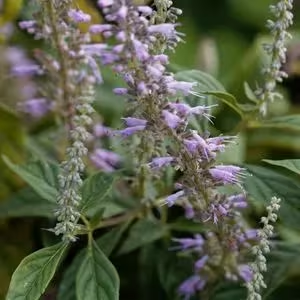
Description
Sowing dates
Elsholtzia stauntonii, commonly known as Staunton's mint shrub, can be propagated through seeds or stem cuttings. Sowing seeds in spring, once the soil has warmed sufficiently, is the most common method for starting new plants.
For greenhouse propagation, seeds should be sown in late winter in a well-draining potting mix. They require light to germinate, so covering them with a thin layer of soil or vermiculite is recommended.
Seedlings should be pricked out into individual pots once they develop their first set of true leaves. Proper spacing ensures that the plants receive adequate airflow, which is critical for preventing fungal issues.
When transplanting into the garden, a spacing of 45 to 60 cm is ideal. This allows the shrub to develop its full, spreading habit without becoming overcrowded by neighboring plants.
Softwood cuttings can also be taken during the summer months. These root easily in a moist, peat-based medium and allow gardeners to replicate desirable traits from specific mother plants.
Growing requirements
Elsholtzia stauntonii is a member of the Lamiaceae family, originating from mountainous regions in China. It thrives in full sun, which is essential for maximizing the production of aromatic essential oils in its foliage.
The plant prefers fertile, well-draining soil with a neutral pH level. While it can tolerate various soil types, waterlogged conditions must be avoided as they often lead to root rot and premature plant death.
It is generally hardy in temperate zones, though in very cold winters, the upper parts of the plant may die back. Applying a layer of mulch in late autumn helps protect the root system from freezing temperatures.
Regular watering is necessary during the first season of growth to establish a robust root system. Once mature, the plant displays a moderate degree of drought tolerance, making it an excellent choice for low-maintenance landscapes.
Pruning is vital for maintaining the shrub's aesthetic appeal. Cutting back the previous season's growth in early spring encourages vigorous new branching and more abundant late-season flowering.
Main diseases and pests
This shrub is remarkably resilient against most common garden pests, largely due to the high concentration of essential oils in its tissues, which act as a natural deterrent for many insects.
The primary threat to Elsholtzia stauntonii is overly humid environments, which can promote fungal infections like powdery mildew. Ensuring adequate spacing and airflow around the plant is the best preventive measure.
Root rot caused by poor soil drainage is another significant risk. If the soil remains saturated for long periods, the roots will suffer, leading to yellowing leaves and eventual plant collapse.
Occasional infestations of aphids may occur during periods of extreme heat or drought. In such cases, a simple application of insecticidal soap or a strong jet of water is usually sufficient to manage the population.
Practicing good hygiene in the garden, such as clearing away debris and dead vegetation in the autumn, helps prevent the overwintering of pathogens that could affect the shrub in the following season.
Harvesting
The best time to harvest Elsholtzia stauntonii for medicinal or culinary purposes is during the peak flowering period, typically in late August or September, when aromatic potency is at its maximum.
Stems should be harvested by cutting them with clean, sharp shears, leaving at least 15 cm of growth above the soil surface to allow for plant regeneration and winter preparation.
Drying the harvested material should occur in a dark, well-ventilated location. Hanging bunches or spreading the stems in a single layer prevents moisture retention and mold growth during the drying process.
Once completely dry, the leaves and flowers can be stored in airtight containers away from direct sunlight. This preserves the aromatic compounds for tea blends or dried herb applications for over a year.
Leaving the dried flower spikes on the plant after the season adds winter interest to the garden. It also provides food sources for local pollinators before the first heavy frosts of winter.