
Clinopodium grandiflorum
Clinopodium grandiflorum
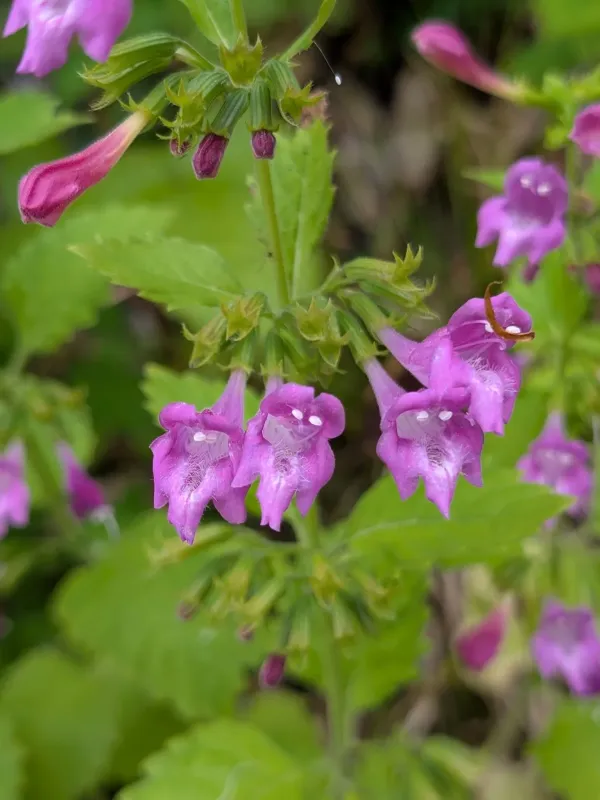
Description
Sowing dates
The sowing of Clinopodium grandiflorum seeds in open fields should be carried out during the spring period once soil temperatures reach 12–15 degrees Celsius. The optimal window is typically late April through mid-May, depending on the specific regional climate.
Late autumn sowing in October is also an option, as it facilitates natural seed stratification, leading to earlier spring germination. For nursery production, seeds are sown in trays during March, with subsequent pricking out once the second true leaf pair appears.
Seeds are small and possess low germination energy, requiring surface sowing with minimal soil coverage. Consistent surface moisture must be maintained throughout the two-to-three-week germination period to ensure success.
Commercial field cultivation requires row spacing of 45–60 centimeters to allow for adequate mechanical weed control and airflow. Once seedlings establish, thinning is performed to maintain a 30-centimeter distance between individual plants.
Early-stage development is notably slow, necessitating rigorous weed management strategies during the first two months of growth to prevent resource competition.
Growing requirements
Clinopodium grandiflorum, a member of the Lamiaceae family, thrives in sunny locations but adapts well to partial shade. It requires well-draining soil to prevent moisture-related root complications and prefers neutral to slightly alkaline pH levels.
While the plant is drought-tolerant once established, it requires regular irrigation during active growth phases to maximize biomass production. Excess water standing on the soil surface must be avoided at all costs to prevent root rot.
The plant is noted for its hardiness in temperate climates, though mulching with organic matter is recommended in regions with harsh winters to protect the root crown from temperature fluctuations.
Fertilization with balanced nitrogen-rich fertilizers in early spring supports vigorous foliage development. Over-fertilization should be avoided, as it can diminish the concentration of aromatic essential oils in the plant tissues.
Good soil aeration is critical for this species; in heavier soils, adding organic amendments or sand is a necessary step before planting to improve the physical structure of the substrate.
Main diseases and pests
The primary threats to this crop are fungal pathogens, specifically root and crown rots caused by Phytophthora or Pythium species. These diseases are most prevalent in poorly drained soils or during extended periods of high humidity.
Powdery mildew can affect the foliage during summer months, especially in stagnant air conditions. Management involves timely pruning of infected parts and ensuring adequate ventilation within the crop canopy.
Pests such as aphids and spider mites can infest the crop, causing leaf curling and reduced essential oil production. Integrated pest management using biological controls or insecticidal soaps is preferred to maintain the quality of the herbal product.
Slugs and snails may damage younger plants in early spring; physical barriers or organic baits are effective for control. Regular monitoring of the field is necessary to catch infestations before they reach economic threshold levels.
Crop rotation is an essential agricultural practice, with a minimum interval of 4 years before returning the species to the same plot to minimize soil-borne pathogen buildup.
Harvesting
Harvesting is performed during the peak flowering phase, which is when the volatile oil content is at its maximum level. Plants are cut using sharp tools at approximately 15 centimeters above the soil level to encourage secondary growth.
The harvested material must be dried immediately in a shaded, well-ventilated area. Rapid air-drying prevents discoloration and the loss of aromatic compounds, ensuring a premium-quality herbal product.
Once dry, the leaves and flowers are stripped from the stems and stored in airtight containers away from light. Proper storage conditions allow the dried herb to retain its potent aroma and pharmacological properties for up to two years.
In optimal growing seasons, a second harvest may be possible, provided the final cut is made before late September to allow for root nutrient storage before the winter dormant season.
Clinopodium grandiflorum is utilized in culinary applications as a flavouring agent and in the pharmaceutical industry due to its diverse profile of terpenes and secondary metabolites.