
Clinopodium chinense
Clinopodium chinense
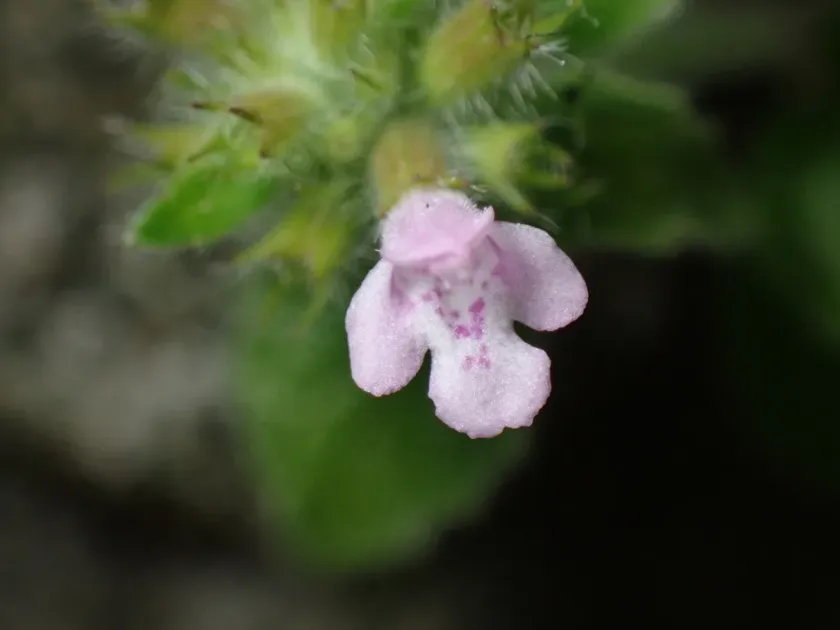
Description
Sowing dates
The sowing of Clinopodium chinense is carried out primarily in the spring, once the soil has warmed up to a temperature of 12–15 degrees Celsius. In temperate climates, the ideal time for direct seeding into the open field is late April or early May.
To accelerate the production of high-quality goods, the transplant method is often utilized. Sowing into trays or greenhouses begins 40–50 days before the intended date of planting into the permanent site.
The seeds of this crop are small, so they should be sown at a depth of no more than 0.5–1 centimeter. When surface sowing, it is crucial to maintain constant soil moisture until mass germination occurs.
Row spacing during sowing should be around 45–60 centimeters to ensure sufficient ventilation for the plants. A distance of 20–30 centimeters is left between individual plants within the row.
Clinopodium chinense seedlings emerge 14–20 days after sowing. Providing optimal lighting during the seedling stage is essential to prevent stem elongation, which negatively impacts the final yield.
Growing requirements
Clinopodium chinense belongs to the Lamiaceae family and prefers well-drained, fertile loamy or sandy soils. The crop is highly sensitive to waterlogging, making the selection of an elevated plot a necessary condition for success.
This plant is light-demanding, so open areas with full sun exposure are chosen for commercial cultivation. In shaded conditions, the concentration of essential oils and active biological compounds in the aerial parts decreases significantly.
The optimal soil acidity level for the plant's successful development ranges between pH 6.0 and 7.0. Before planting, it is recommended to incorporate organic fertilizers such as compost to improve soil structure.
The crop has moderate cold tolerance. In regions with harsh winters, the root system may freeze, so it is advisable to mulch the soil with straw or agro-textiles in the autumn to protect against critical temperatures.
Irrigation should be moderate but regular during the active growth period. Excessive moisture during the flowering phase can lead to the development of fungal diseases and reduce the quality of the raw material.
Yield
The yield of Clinopodium chinense depends on the growing conditions and agricultural management. With intensive cultivation techniques, one can achieve stable and high biomass production for the pharmaceutical industry.
In the first year after sowing, the yield of the aerial parts is relatively low, as the plant directs its energy toward developing its root system. Maximum yield levels are typically achieved in the second and third years of vegetation.
The average yield of dry aerial mass per hectare, when following all agronomic requirements, is approximately 1.5–2.5 tons. These figures may vary depending on the density of the plant population.
A critical factor determining the output of the final product is the timeliness of harvest. The highest concentration of flavonoids and triterpenoids in the plant's tissues is observed just before the onset of mass flowering.
After cutting, the raw material undergoes a drying process in well-ventilated areas or specialized dryers at a temperature not exceeding 40 degrees Celsius to preserve its medicinal properties and aroma.
Main diseases and pests
The primary threat to Clinopodium chinense plantings comes from fungal infections such as root rot and powdery mildew. These diseases most often arise when irrigation regimes are neglected or field aeration is poor.
Among pests, aphids and various species of spider mites cause the most significant damage. They feed on plant sap from young leaves, slowing down plant growth and degrading the quality of the commercial raw material.
To prevent the spread of diseases, it is necessary to adhere to strict crop rotation and not return the culture to the same plot for at least 3–4 years. It is also important to regularly remove weeds that may serve as intermediate hosts for pests.
Upon detecting the first signs of insect damage, biological control agents should be used. The use of chemical insecticides is limited, as the plant is grown primarily for medicinal purposes.
Special attention should be paid to controlling weevils and leaf beetles, which can damage the plant's generative organs, thereby reducing the potential for seed reproduction and the overall development of the bush.
Harvesting
Harvesting of Clinopodium chinense is carried out during the flowering phase, when the plant has accumulated the maximum amount of biologically active substances. This is the most critical stage defining the quality of the medicinal material.
Harvesting is performed by cutting the stems at a height of 10–15 centimeters from the soil surface. Using sharp tools allows for avoiding damage to the root system and ensures the rapid regrowth of the culture in the future.
Work is best conducted in dry, sunny weather after the dew has evaporated. Moist raw material is prone to rapid spoilage, self-heating, and mold development, making it unsuitable for further processing.
Collected mass should not be left in the sun for an extended period. It must be transported to the drying or primary processing site as quickly as possible to preserve essential oils and other volatile components.
After harvest, the field requires care: weed residue removal, inter-row cultivation, and fertilization if necessary. This promotes the recovery of the plants and prepares them for the next vegetation cycle.