
Clerodendrum umbellatum
Clerodendrum umbellatum
Description
Growing requirements
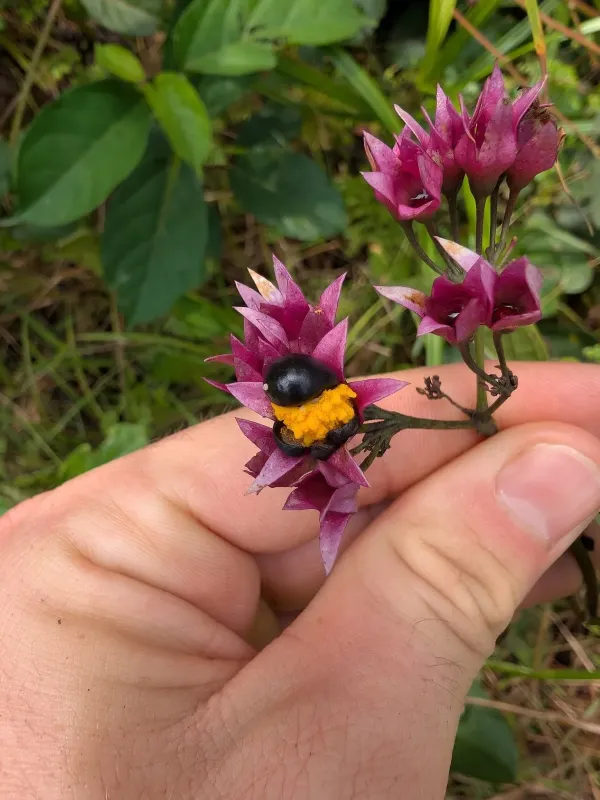
Clerodendrum umbellatum is a distinguished member of the Lamiaceae family, known for its attractive umbel-shaped flowers and vining habit. This species originates from the tropical regions of West Africa.
In cultivation, this plant thrives in warm, humid environments. It requires consistent temperatures, ideally between 20°C and 25°C, to ensure steady growth throughout the year.
The preferred soil medium should be well-draining, rich in organic matter, and slightly acidic. It is crucial to maintain moisture levels without allowing water to pool in the root zone.
Light requirements are significant: the plant prefers bright, indirect sunlight. Harsh, direct midday sun should be avoided as it can scorch the foliage and reduce blooming success.
Standard horticultural practices for this species include regular pruning to control its vigorous growth and promote a denser, more bush-like structure with abundant floral displays.
Main diseases and pests
Common pests affecting Clerodendrum umbellatum include spider mites and mealybugs, which are particularly prevalent in environments with insufficient air circulation and low humidity.
Root rot is a major threat caused by overwatering or poorly draining substrate. It manifests as a decline in vigor, yellowing leaves, and eventual wilting of the stems.
Nutrient deficiency, specifically related to iron and magnesium, can result in leaf chlorosis. Regular fertilization with a balanced, water-soluble fertilizer is essential during the growing season.
To mitigate pest infestations, periodic inspections of the underside of leaves are recommended, followed by the application of horticultural soaps or systemic insecticides if necessary.
Maintaining a clean growing environment and ensuring proper drainage are the most effective strategies for preventing the onset of fungal diseases and maintaining overall plant health.