
Mexican Clinopodium
Clinopodium mexicanum x Hesperozygis
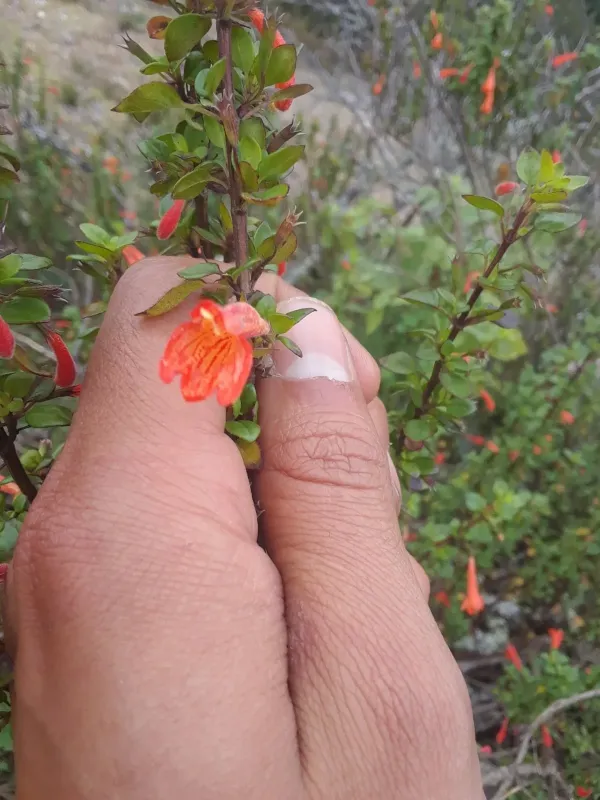
Description
Sowing dates
Sowing seeds of Mexican Clinopodium is best done indoors in late February or early March. This timing ensures that young plants are robust enough for transplantation by the arrival of warmer weather.
When sowing directly into the ground, it is necessary to wait until the soil warms up to at least 15 degrees Celsius. In most temperate regions, this corresponds to mid-to-late May.
Seeds should be planted at a shallow depth of about 0.5 to 1 centimeter. Because the seeds are tiny, they should be lightly covered with fine soil and kept consistently moist until germination.
Optimum germination occurs at temperatures between 20 and 22 degrees Celsius. Providing a consistent warm environment helps ensure a high percentage of seedling emergence within two to three weeks.
Seedlings should be thinned or transplanted into individual containers once they develop their first set of true leaves. Hardening off the plants outdoors for a week before final planting is highly recommended.
Growing requirements
Mexican Clinopodium belongs to the Lamiaceae family and thrives in well-lit, sunny areas. It requires light, loamy, or sandy soils that offer excellent drainage to prevent root moisture accumulation.
While the plant is somewhat drought-tolerant once established, it benefits from regular watering during the vegetative growth phase. Water should be applied at the base to keep foliage dry and prevent fungal issues.
The plant prefers a neutral soil pH and responds well to moderate fertilization. A balanced organic fertilizer can be applied in early spring to support the development of lush, aromatic foliage.
Proper airflow is essential for this species. When planting in beds, maintain a spacing of at least 30 centimeters between individual plants to allow for sufficient air circulation around the stems.
Exposure to full sunlight is critical for the concentration of essential oils within the leaves. Inadequate light results in weaker aromas and can make the plant susceptible to stem stretching.
Main diseases and pests
Powdery mildew is the primary threat to the crop, especially in humid conditions with poor circulation. Regular inspection and removing affected leaves can prevent the spread of the fungus.
Aphids and spider mites are common insect pests that may target the succulent tips of the plant. Monitoring the undersides of the leaves can help detect infestations before they become severe.
Root rot is almost exclusively caused by waterlogged soil. Ensuring that the site has adequate drainage and not over-watering is the best preventative measure against this deadly condition.
Biological control agents, such as neem oil or insecticidal soaps, are effective at managing pest outbreaks while preserving the quality of the harvested herbs for medicinal or culinary use.
Practicing crop rotation is advised if the plant is grown on a larger scale. Avoid planting it in sites recently occupied by other Lamiaceae species to minimize the risk of soil-borne pathogens.
Harvesting
The harvest should take place during the peak of flowering, as this is when the plant's essential oil content and medicinal properties are at their maximum concentration levels.
Harvesting involves cutting stems about 5 to 10 centimeters above the ground. This method promotes secondary growth, allowing for multiple harvests throughout the growing season.
Freshly cut stems should be hung in small bundles in a dark, dry place with good ventilation. Avoiding direct sunlight is crucial to prevent the oxidation of essential oils during the drying process.
Once completely dry, the leaves can be stripped from the stems and stored in airtight glass containers. This protects the herb from humidity and prevents the loss of its signature aroma.
For commercial production, mechanical harvesters are used to cut large areas at a uniform height. Small-scale farmers typically harvest by hand to ensure the highest quality of the final product.