
Mexican Clinopodium
Clinopodium mexicanum (Benth.) Govaerts
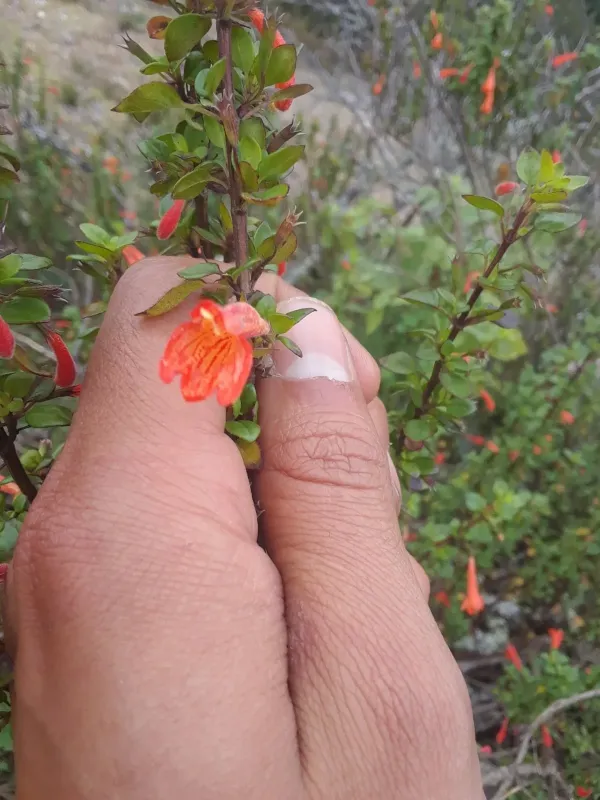
Description
Sowing dates
Sowing of Mexican Clinopodium seeds should ideally be performed in spring once the soil temperature consistently reaches 12 to 15 degrees Celsius.
Transplanting seedlings started in greenhouse conditions 50 days before the season is a common practice to ensure higher survival rates in the field.
Seeds must be sown at a shallow depth, as they require sufficient light exposure to initiate the germination process effectively.
Maintaining a row spacing of 50 centimeters is recommended to allow for adequate plant development and easier inter-row mechanical cultivation.
High-quality, moisture-retentive seedbeds are essential for achieving the uniform plant emergence necessary for a commercial-scale agricultural plot.
Growing requirements
This crop, belonging to the Lamiaceae family, thrives best in well-draining, fertile soils that prevent water accumulation around the root system.
The plant requires full sun exposure, as sufficient light intensity is crucial for the development of essential oils within the leaves and stems.
While the plant shows moderate drought tolerance, regular irrigation during dry spells significantly boosts the overall biomass production.
A soil pH ranging from 6.0 to 7.5 is ideal, ensuring the plant has access to necessary macro and micronutrients throughout the growing season.
Proper aeration of the soil is critical; therefore, compacted soils should be tilled deeply before planting to encourage robust root penetration.
Yield
Average yield for Mexican Clinopodium typically ranges from 1.5 to 2.5 tonnes of dry weight per hectare under optimal agronomic conditions.
Harvesting efficiency and crop management practices play a vital role in determining the final yield volume and the quality of the harvested biomass.
Yields are typically lower in the first year of establishment, with peak productivity occurring in the second and third years of continuous cultivation.
Strategic nutrient management, particularly the application of nitrogen in early vegetative stages, can lead to significant increases in total crop yield.
The success of the harvest is measured not only by weight but also by the concentration of volatile compounds extracted from the dry material.
Main diseases and pests
Root rot caused by stagnant water or over-irrigation is the primary concern for the health and longevity of a Clinopodium plantation.
Spider mites and certain species of leaf-eating beetles can cause significant defoliation, requiring timely monitoring and potential intervention.
Adhering to a strict crop rotation schedule helps to significantly reduce the risk of soil-borne diseases that can devastate the entire plant population.
Good field hygiene, including the removal of infected debris after each harvest, is fundamental to maintaining a disease-free environment.
Using natural predatory insects as a form of biological control is highly recommended for managing pest populations without compromising herb quality.
Harvesting
The harvesting process should be timed to coincide with the peak flowering period, which is when the plant's essential oil content is at its absolute maximum.
Cutting the stems approximately 15 centimeters above the ground allows for better recovery and potential regrowth for a subsequent second harvest.
Immediate drying in shaded, well-ventilated areas is required to ensure the preservation of the volatile aroma and the medicinal profile of the herb.
Avoid excessive temperature during the drying process to prevent the degradation of heat-sensitive chemical components present in the plant tissues.
Post-harvest processing involves cleaning and sorting the material to remove debris, ensuring the final product meets high industry quality standards.