
Cedronella
Cedronella canariensis
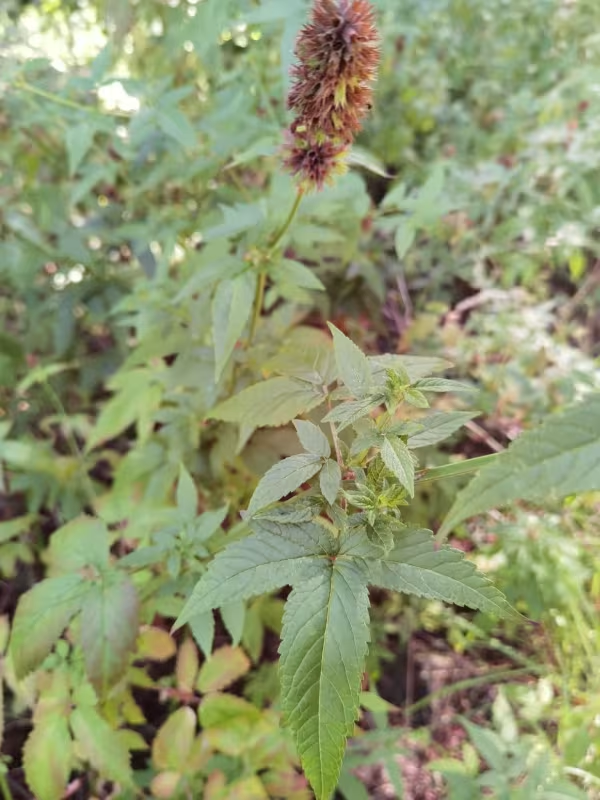
Description
Sowing dates
Cedronella canariensis, commonly known as balm of Gilead, is a perennial herb in the Lamiaceae family native to the Canary Islands and Madeira. It is prized for its aromatic, camphor-like scent and trifoliate leaves.
In cooler climates, it is grown as an annual. Sowing usually begins indoors in late winter. Seeds require warmth and a sterile, well-draining seed-starting mix to ensure successful germination and healthy root development.
Seedlings should be moved to larger pots once they develop their first set of true leaves. Providing sufficient light is critical, as the plant tends to become leggy and weak under low-light conditions.
Transplanting to the garden or final containers occurs after the danger of frost has passed. Plants should be spaced at least 40-50 centimeters apart to allow for proper airflow and development of the bush.
Potted plants can be overwintered indoors in a bright, cool room. This allows the plant to persist for several years, becoming quite woody and structural in its growth habit.
Growing requirements
Cedronella thrives in rich, well-draining soil with a neutral to slightly acidic pH. The plant is sensitive to waterlogging, so soil structure is a priority to prevent root rot during the rainy summer season.
Sunlight is essential for the plant to express its aromatic qualities. A location receiving full sun for at least six to eight hours a day results in the most robust growth and highest oil content in the leaves.
Watering should be managed carefully. While the soil should remain consistently moist, it must never be saturated. Allowing the top layer of soil to dry slightly between waterings promotes deeper root growth.
Fertilization with a balanced, organic-based fertilizer during the active growing season supports leaf production. Avoid high-nitrogen fertilizers late in the season to ensure the plant hardens off if kept over winter.
Humidity is beneficial for Cedronella, given its origins in subtropical cloud forests. When grown in indoor environments during winter, supplemental humidity or regular misting can keep the plant vigorous.
Main diseases and pests
Powdery mildew is a common issue for Cedronella, particularly in high-humidity or poorly ventilated areas. Ensuring proper spacing between plants helps prevent the spread of fungal pathogens.
Pests like aphids and spider mites can be problematic, especially in indoor settings. Regular monitoring of the underside of leaves is recommended for early detection and manual control if necessary.
Root rot, caused by overwatering or soil that is too compact, is the most lethal threat to the plant. Using a high-quality drainage substrate is the best preventative measure for commercial growers.
Biological control methods are preferred over chemical pesticides, as the plant is often harvested for culinary or medicinal use, and chemical residues can negatively impact the final product's quality.
The plant generally demonstrates good resilience to common garden pests provided that the growing environment is correctly managed and the plants have access to adequate light and air circulation.
Harvesting
Harvesting is ideally performed in the morning after the dew has evaporated but before the heat of the day reaches its peak, ensuring maximum concentration of volatile oils in the foliage.
Leaves and young stems are the primary parts harvested. Frequent harvesting of the tips encourages the plant to become bushier and produces a higher yield of aromatic foliage throughout the summer.
Drying is best achieved by hanging branches in bundles in a dark, well-ventilated space. Slow drying prevents the rapid loss of volatile compounds, which are responsible for the plant's distinct aroma.
In culinary applications, the fresh leaves provide a unique flavor note similar to cedar or camphor, making them an excellent choice for artisanal herbal teas and unique culinary infusions.
Once dried, the leaves should be stored in airtight containers away from direct sunlight to preserve their potency for up to a year, maintaining the unique medicinal and balsamic qualities of the harvest.