
Black horehound
Ballota nigra L.
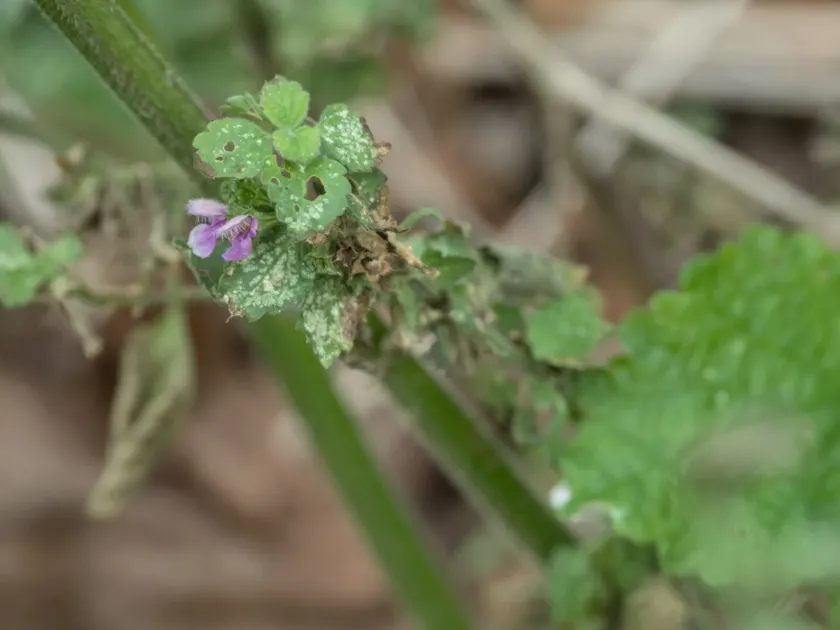
Description
Sowing dates
Black horehound is a herbaceous perennial that is propagated primarily via seeds, which can be sown either in late autumn or early spring for best results.
Seeds benefit significantly from a period of cold stratification, making autumn sowing the preferred method for ensuring consistent germination rates in the field.
The seedbed should be prepared through thorough plowing and the addition of organic compost to create a nutrient-rich environment for the developing root systems.
Seeds should be planted at a shallow depth of approximately 1-2 centimeters, maintaining rows spaced 50-60 centimeters apart to prevent overcrowding.
Consistent soil moisture is required during the initial germination phase to ensure that the delicate seedlings establish themselves effectively in the soil.
Growing requirements
Belonging to the Lamiaceae family, this species is highly versatile but thrives best in well-draining, fertile loamy soils with good structural integrity.
The plant requires full sun exposure to reach its peak development and maximize the synthesis of essential oils and bioactive compounds within its foliage.
Although it possesses some drought tolerance, regular irrigation is highly recommended during the peak growing season to maintain vigorous vegetative growth.
It is well-adapted to temperate climates and can withstand cold winters, provided the soil drainage is sufficient to prevent root rot during the dormant season.
An ideal pH range for cultivation is between 6.0 and 7.5, which helps optimize nutrient uptake and supports overall plant health and resilience.
Yield
The primary economic focus of this crop is the harvesting of the aerial parts, which are utilized in the pharmaceutical and herbal medicine industries.
Average yield for dry biomass generally ranges from 1.5 to 2.5 tonnes per hectare, depending on local soil quality and the standard of agricultural care provided.
Nitrogen-based fertilization can be applied early in the growth stage to encourage rapid stem development, though moderation is key to avoid excessive succulence.
A well-maintained plantation remains productive for 3 to 4 years, after which crop rotation is advised to maintain soil health and suppress pathogen buildup.
Harvesting should be precisely timed with the peak of the flowering phase to ensure the highest concentration of volatile components in the harvested material.
Main diseases and pests
The main threats to this crop include fungal infections like powdery mildew, which tend to proliferate in conditions of high humidity and poor air circulation.
Common pests such as aphids and spider mites can cause significant damage to young leaves and stems, necessitating regular monitoring throughout the season.
Integrated pest management, including crop rotation and physical weed control, is essential to mitigate these risks without relying on harsh chemical pesticides.
Maintaining proper spacing between rows is a highly effective cultural practice for preventing the rapid spread of diseases across the plantation.
Early detection of pest infestation and the removal of severely affected plants help keep the overall crop yield stable and healthy throughout the year.
Harvesting
The harvest involves cutting the upper 20-30 centimeters of the stem, specifically targeting the flowering shoots, while avoiding the woody base.
Immediate post-harvest processing is critical to prevent the fermentation of the plant material, which can negatively impact the quality of the essential oils.
Drying should be conducted in shaded, airy rooms or specialized drying facilities at temperatures below 45 degrees Celsius to preserve chemical potency.
Once dried, the herb should have a distinct, slightly pungent aroma, which serves as a key quality indicator for the final harvested batch.
Storage should take place in dry, cool, and dark conditions using breathable packaging materials to ensure long-term shelf stability for the commercial market.