
Klebsormidium
Klebsormidium
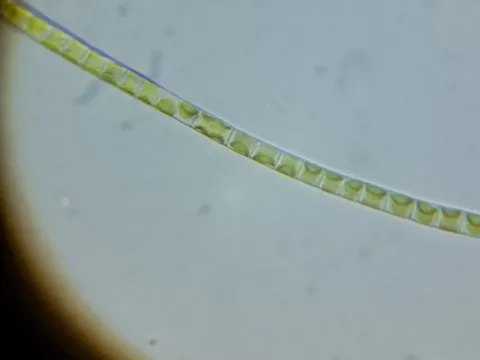
Klebsormidium is a genus of filamentous green algae belonging to the family Klebsormidiaceae. These organisms are recognized for their remarkable ability to adapt to diverse environments, ranging from temperate agricultural soils to extreme polar habitats.
What the section contains
Klebsormidium
The botanical structure consists of unbranched filaments that possess high tensile strength. This morphological trait allows the algae to create cohesive biofilms on soil surfaces, which act as a mechanical barrier against erosive forces and moisture loss.
These algae thrive in conditions characterized by frequent wetting and drying cycles. They have developed physiological mechanisms to enter a dormant phase during drought, allowing them to rapidly reactivate metabolism when moisture conditions become favorable again.
In modern agronomy, Klebsormidium is valued for its contribution to soil health. By producing exopolysaccharides, the algae enhance soil aggregate stability, promote gas exchange, and improve the moisture retention capacity of the topsoil layers.
Agricultural use of Klebsormidium is primarily focused on soil remediation and improving the fertility of poor or degraded lands. Its presence fosters a healthy soil microbiome, supports nutrient cycling, and provides a sustainable biological solution to prevent soil degradation in intensive farming systems.