
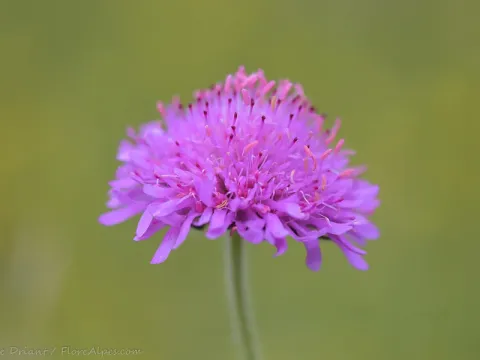
Knautia timeroyii
Knautia timeroyii
Knautia timeroyii belongs to the Caprifoliaceae family. It is a hardy perennial herb that requires specific sowing techniques to ensure strong germination and stable establishment in agricultural settings.
What the section contains
Knautia timeroyii
The optimal time for sowing is early spring when soil temperatures stabilize between 10-12 degrees Celsius. Alternatively, late autumn sowing can be performed to allow for natural seed stratification, leading to more vigorous growth in the spring.
Seeds should be sown at a shallow depth of 1-2 centimeters. Row spacing is typically maintained at 30-40 centimeters to facilitate adequate air circulation and to provide each plant with sufficient space for root development.
If starting in a greenhouse, seeds should be sown in trays during March. Proper thinning is required once true leaves appear, ensuring a distance of 20-25 centimeters between individual plants to prevent overcrowding.
Choosing a site with full sun exposure is essential for the crop's development. Proper soil preparation, including loosening and clearing of weeds, creates a favorable environment for initial growth phases.
This crop prefers fertile, well-drained soils with a neutral pH. It is sensitive to waterlogging, so adequate drainage is essential in heavier clay soils to prevent root damage and systemic infections.
Knautia timeroyii shows significant drought tolerance once established. However, during the active growth and flowering phases, moderate and consistent watering is recommended to sustain healthy nectar production.
Fertilization with phosphorus and potassium is advised at the start of the growing season to boost flowering intensity. Avoiding excessive nitrogen is important, as it promotes leafy growth at the expense of floral development.
The species is well-adapted to cooler climates and exhibits high winter hardiness. No special protective measures are needed during winter months in temperate zones, provided the soil drainage is sufficient.
Maintenance tasks include regular weeding between rows, especially in the first year. Mulching can be used to help preserve soil moisture and suppress the competitive growth of weeds around the plants.
The primary economic value of Knautia timeroyii lies in its role as a high-quality nectar source for pollinators. Its prolonged blooming season makes it a critical resource for honey production.
Yield efficiency is directly linked to plant density and general crop health. Proper agricultural management ensures abundant floral displays, which are highly attractive to honeybees and wild pollinator populations.
In addition to its agricultural use, the plant is utilized in environmental restoration projects. Its resilience makes it an excellent choice for stabilizing rural landscapes and maintaining ecological balance.
Seed harvesting should be performed in dry, sunny weather once the flower heads have darkened. After harvest, seeds need to be properly dried in a shaded, well-ventilated area to ensure long-term storage viability.
With correct management, a single planting of this perennial can remain productive for several years. Annual soil enrichment with organic matter helps maintain long-term crop vitality and consistent floral output.
Fungal diseases like powdery mildew are common if the crop is planted in overly humid or stagnant air conditions. Ensuring proper spacing and airflow is the best preventative strategy against these infections.
Root rot represents a severe threat, especially in soils that lack proper drainage. Careful monitoring of water levels and avoiding soil compaction are critical to mitigating this risk to the root system.
Pests such as aphids and leaf-eating caterpillars may target the crop during the peak growing season. Biological control methods are preferred to maintain the safety of pollinators that visit the flowers.
Weed management is vital during the early establishment phase, as the crop can be outcompeted by aggressive weeds. Early mechanical weeding is the most effective approach to protect the young plants.
Regular field scouting allows farmers to identify early signs of stress or infestation. Proactive care ensures the longevity of the perennial crop and secures the consistency of its environmental and agricultural benefits.