
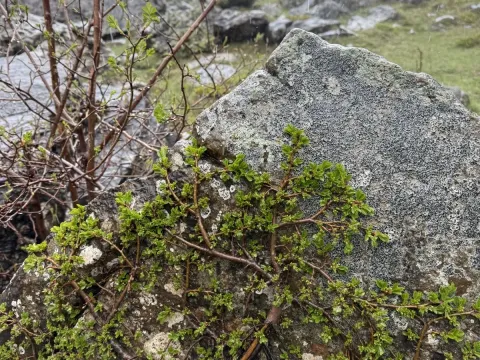
Kitaibel willow
Salix kitaibeliana
The Kitaibel willow (Salix kitaibeliana) is a unique species of the Salicaceae family, characterized by its shrubby growth and adaptation to high-altitude ecosystems. This plant serves as an important representative of mountain flora with specific biological requirements for growth.
What the section contains
Kitaibel willow
Native to the high-mountain ranges of Europe, including parts of the Carpathians and the Balkans, this species thrives in subalpine zones. Its evolutionary history has endowed it with remarkable resistance to cold, allowing it to survive temperatures that are lethal for many other woody species.
The ideal soil conditions for Salix kitaibeliana involve well-drained, slightly acidic, and mineral-rich substrates. It is particularly well-suited for rock gardens and slopes where moisture circulation is efficient and prevents the roots from remaining in waterlogged soil for extended periods.
Regarding agrotechnical management, the Kitaibel willow requires minimal pruning, primarily to maintain its shape and remove dead wood. It prefers sites with plenty of light, although it can tolerate partial shade if the environmental humidity is sufficient for its active development cycle.
The primary economic use of this plant is within professional landscaping and ecological restoration. It is highly valued for stabilizing soil on steep terrains, preventing erosion, and adding significant aesthetic value to alpine-themed landscapes due to its compact habit and resilient nature.
Common health issues for this species include fungal leaf spots, which typically occur during periods of prolonged dampness. To mitigate this risk, gardeners should ensure proper spacing between plants to encourage adequate air movement through the foliage.
Pests that occasionally affect the Kitaibel willow include aphids and willow leaf beetles. Early detection through regular visual inspections is crucial for effective management. If infestation levels become problematic, targeted eco-friendly sprays are recommended to protect the plant's health.