
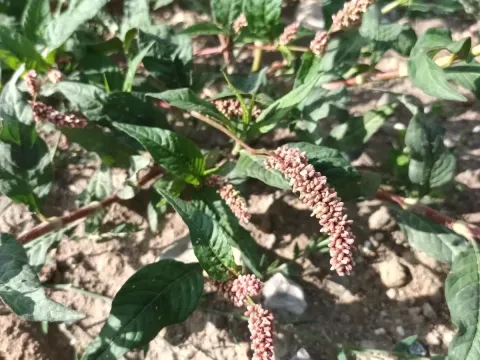
Knotweed
Persicaria nodosa
Persicaria nodosa, commonly known as knotweed, is an annual plant belonging to the Polygonaceae family. In agricultural settings, it is recognized for its rapid growth cycle and high reproductive capacity, making it a significant plant species in various ecosystems.
What the section contains
Knotweed
Sowing typically occurs in early spring, once soil temperatures rise above 10 degrees Celsius. The seeds require adequate moisture for successful germination, making early spring rains a critical factor for establishing uniform crop density.
The seeding depth should be carefully managed, ideally between 2 and 3 centimeters. Proper depth ensures that seedlings emerge quickly while maintaining access to essential soil moisture during the initial growth phase.
This species demonstrates high vigor, with seedlings developing rapidly within the first few weeks after emergence. This characteristic allows it to compete effectively for resources in disturbed soil environments.
When grown commercially, row spacing should be adjusted to allow for mechanical cultivation. Effective management of the early growth stages is essential to ensure that the crop attains its full vegetative potential before the onset of flowering.
Knotweed thrives in environments with high moisture levels. It is frequently found in floodplains, damp meadows, and irrigated fields, where its demand for water can be consistently met without stress.
The plant performs best in nutrient-rich, fertile soils. While it can adapt to various soil types, loamy soils with a neutral pH level support the most robust growth and provide the necessary nitrogen levels for biomass production.
Sunlight is a key requirement for optimal photosynthesis. Although it can tolerate partial shade, maximum yield is achieved in full sun, where the plant can develop thick, branched stems and extensive foliage.
Temperature stability is important for sustained growth. The plant prefers warm conditions, ideally between 18 and 25 degrees Celsius, and is sensitive to extreme frost or prolonged heatwaves that can desiccate the plant tissue.
Maintaining good soil structure is crucial. Compacted soils can limit root penetration and reduce the overall health of the plant, potentially leading to stunted growth and reduced vegetative yield.
The main threats to the crop include various fungal diseases, which are particularly prevalent in humid conditions. Leaf spots and powdery mildew can significantly reduce the photosynthetic area if left unmanaged.
Pests such as aphids and leaf-eating beetles are common challenges. These insects can cause damage by direct feeding or by acting as vectors for plant viruses, which weaken the crop's internal defense mechanisms.
Integrated pest management is the recommended approach. By monitoring the field regularly, growers can identify early signs of infestation and implement targeted interventions to minimize the impact on the overall crop yield.
Crop rotation and field hygiene are vital components of preventing long-term pest and disease issues. Removing plant debris after harvest reduces the survival rates of over-wintering pathogens and pests.
- Powdery mildew: Characterized by white, dusty patches on leaves.
- Aphids: Small insects that cluster on stems and suck plant sap.
- Leaf spot diseases: Caused by fungal pathogens in wet, dense canopy.
- Beetle larvae: Can cause extensive damage to foliage during active growth.