
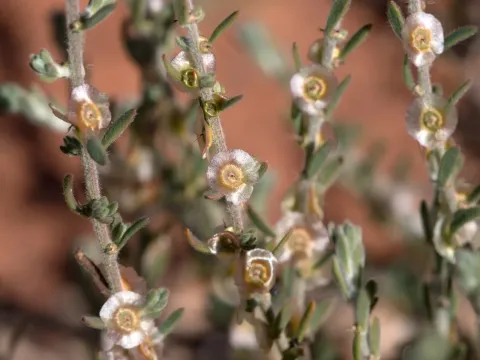
Kochia villosa
Kochia villosa
Kochia villosa belongs to the Amaranthaceae family and is an annual herbaceous plant. For successful germination, the soil temperature must reach 8–10 degrees Celsius, which typically occurs by mid-spring.
What the section contains
Kochia villosa
The optimal sowing time coincides with the period when the risk of night frosts has passed, as young seedlings are extremely sensitive to cold temperatures. In arid regions, early sowing is preferred to ensure the plant forms a robust root system before the peak summer heat arrives.
The sowing depth for field planting should not exceed 1–2 centimeters. Since the seeds are small, they require firm contact with the soil to ensure uniform moisture; therefore, light rolling of the soil surface after planting is recommended.
Seeding rates are calculated based on the intended use: denser sowing is used for green fodder or hay production. When row planting is employed, row spacing should be 50–60 centimeters to provide adequate nutrition and sunlight for the plants.
Seedlings typically emerge 7–12 days after planting, provided the soil moisture is sufficient. The plant develops slowly during the first few weeks, making timely weed control essential to prevent competition and stunted development.
This crop is a classic xerophyte, exhibiting exceptional resistance to adverse climatic conditions. It successfully thrives in semi-desert and dry steppe environments where other forage crops would fail due to water scarcity.
The plant has high insolation requirements: Kochia villosa is extremely sun-loving and cannot tolerate shading. In shaded areas, the stems become elongated and lose their structural strength, leading to a significant decrease in forage nutritional value.
It is not demanding in terms of soil fertility, making it a promising candidate for reclaiming saline or poor-quality soils. Kochia adapts well to alkaline soils, chestnut soils, and sandy substrates, showing remarkable resilience.
A critical factor for Kochia is soil aeration; it strictly does not tolerate waterlogging or stagnant groundwater. In heavy clay soils prone to compaction, the growth of the crop slows down dramatically, resulting in sparse stands.
Agricultural management includes deep fall plowing to accumulate moisture during the autumn-winter period. A crucial practice involves post-emergence harrowing to break the soil crust, which facilitates better root development and accelerates above-ground growth.
The yield of Kochia villosa largely depends on moisture levels and planting density. In favorable years, the crop is capable of forming significant vegetative biomass, which peaks just before the flowering phase.
Under irrigation, biomass productivity can increase two to threefold compared to dryland conditions. However, even with minimal rainfall, Kochia provides a stable yield, serving as a reliable insurance crop for livestock farming.
A biological feature of the plant is its intense regrowth after mowing, which allows for multiple cuts within a single vegetative season. This makes Kochia a valuable component of pasture land, suitable for grazing.
To determine optimal yield, it is important to monitor the developmental phase: maximum nutrient output is observed during the budding period. Once flowering begins, stems become coarse, fiber content increases, and forage digestibility declines noticeably.
When used for hay, timely mowing is essential to prevent leaf loss, as the leaves contain the majority of vitamins and proteins. Properly dried Kochia hay is highly nutritious and palatable to livestock.
The primary pests affecting Kochia villosa are various species of aphids that can damage young shoots during dry periods. Mass infestations can lead to leaf deformation and a significant decline in the commercial quality of the crop.
The crop is also prone to spider mite infestations, especially during prolonged hot and dry weather. The use of insecticides on forage crops is restricted, so priority is given to agricultural control methods and maintaining high plant immunity.
Among diseases, root rot is the most dangerous, occurring when agronomic practices are violated, particularly through overwatering or poor drainage. These diseases spread rapidly in the field, leading to plant mortality.
Signs of powdery mildew, manifesting as a white coating, are often observed on the leaves. To prevent fungal pathogens, it is important to follow crop rotation principles and avoid excessive planting density that restricts ventilation.
Disease and pest control on an industrial scale must include a systematic approach based on field monitoring. Early detection of infection hotspots allows for localized intervention, preventing significant yield losses.
Harvesting Kochia villosa for green fodder begins before the stems become woody. Timeliness is critical because, after seed formation begins, the nutritional value decreases, and the stems become too hard for efficient processing.
For hay production, mowing is carried out using cutters that ensure an even cut at a height of 8–10 centimeters. This stubble height is necessary to facilitate rapid regrowth and maintain productivity potential for a second cut.
The mown material requires wilting in windrows to reduce moisture content. Due to the specific leaf structure, Kochia loses moisture relatively quickly, allowing for efficient baling or storage even in unpredictable weather.
If the goal is seed production, harvesting is performed via direct combining at the stage of full seed maturity. Since seeds ripen unevenly, strict control over seed loss is required, as they shatter easily under mechanical impact.
Post-harvest processing includes cleaning and drying to standard moisture levels. High-quality seed material must be stored in dry, well-ventilated areas to maintain high germination rates until the next planting season.