
Halophila beccarii
Halophila beccarii
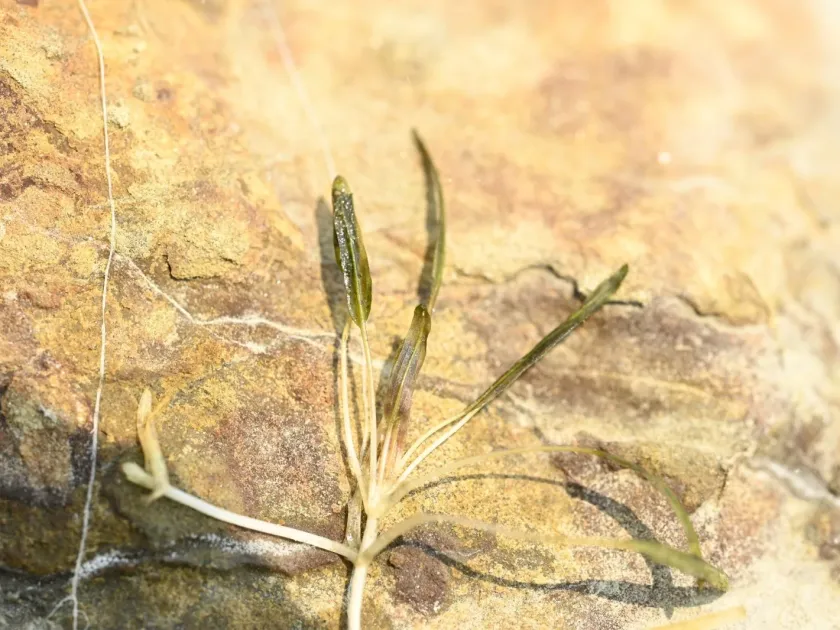
Description
Growing requirements
Halophila beccarii is a distinct species of seagrass belonging to the Hydrocharitaceae family. It is a small, rhizomatous plant that thrives in shallow coastal environments across the Indo-Pacific region.
This species is typically found in mangrove forests, estuaries, and protected lagoons. It requires specific sandy or silty substrates to anchor its delicate root system and absorb necessary nutrients from the seabed.
Light availability is the most critical factor for the growth of Halophila beccarii. As an aquatic plant, it relies on high water clarity, as reduced penetration of sunlight directly inhibits its photosynthetic capabilities and primary production.
The salinity requirements for this culture are specific to intertidal or subtidal zones where brackish conditions are common. It is a hardy species in terms of adapting to saline fluctuations but struggles in environments that lack stability.
While Halophila beccarii is not a conventional food crop, it serves as a vital component in restorative ecology. Conservationists study this plant to understand how seagrass meadows can prevent coastal erosion and sequester carbon effectively.
Main diseases and pests
The survival of Halophila beccarii is significantly challenged by habitat destruction due to coastal development and the construction of maritime infrastructure.
Water pollution, particularly the accumulation of nitrates and pesticides from agricultural runoff, promotes algal blooms that smother seagrass meadows and block essential light.
Mechanical damage caused by boat anchors and fishing gear can permanently destroy patches of the plant, as it has a relatively slow recovery rate in disturbed areas.
Climate change, manifesting as rising sea temperatures and altered ocean chemistry, puts additional stress on the metabolic processes of this marine plant.
Disease outbreaks in seagrass beds are often linked to poor water quality conditions, requiring immediate management of coastal effluents to protect the health of these vital ecosystems.