
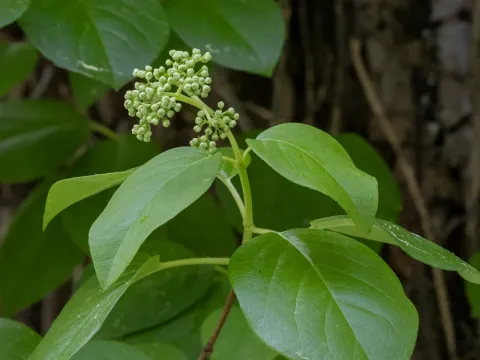
Decumaria barbara
Decumaria barbara
Decumaria barbara, commonly known as the climbing hydrangea vine, is a woody perennial belonging to the Hydrangeaceae family. It is native to the southeastern United States, typically found in swampy woodlands and floodplains.
What the section contains
Decumaria barbara
The plant thrives in partial shade conditions, making it an excellent candidate for forest gardens or north-facing walls. While it can tolerate more light, it requires consistent moisture to prevent leaf scorching and stress during the heat of the summer.
It prefers deep, rich, and acidic to neutral soils that drain well but retain sufficient hydration. When planting, it is crucial to ensure the site is not prone to prolonged waterlogging, as this can affect the overall vigor of the root system.
Maintenance involves providing adequate structural support, as this vine uses adventitious roots to climb. Pruning is best performed immediately after flowering to maintain the desired size and shape without compromising the next season's bloom.
Given its natural habitat, it performs best when protected from harsh, drying winds. Mulching the base of the plant is recommended to stabilize soil temperature and enhance moisture retention throughout the growing season.
The plant is generally pest and disease resistant, exhibiting robust health when grown in suitable environmental conditions. Problems are typically minor and usually stem from cultural mismanagement rather than susceptibility to pathogens.
Occasional infestations of mites or aphids may occur in overly dry environments. Keeping the plant hydrated and providing good air circulation is usually enough to mitigate these risks without the need for intensive chemical interventions.