
Wallaceodendron celebicum
Wallaceodendron celebicum
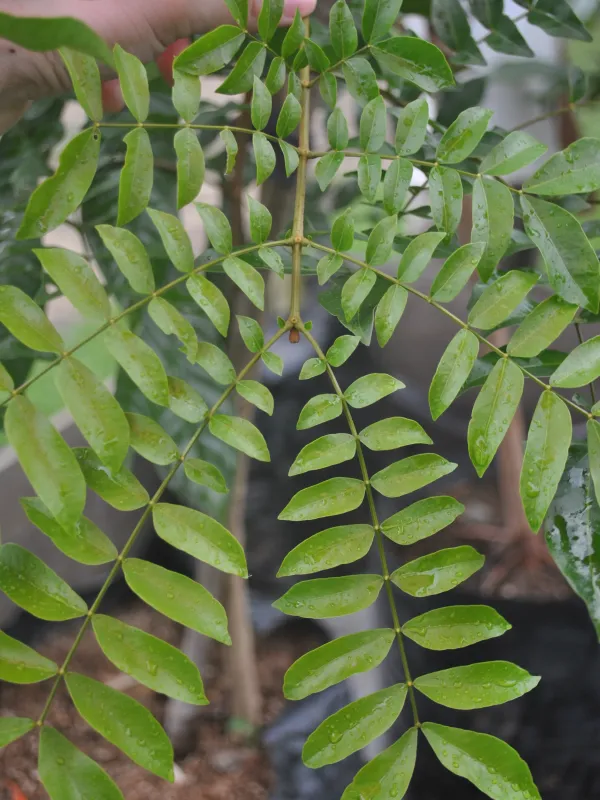
Description
Sowing dates
Wallaceodendron celebicum is propagated primarily through seeds harvested from mature pods that typically develop after the flowering period.
Due to the hard seed coat, pre-sowing treatment involving mechanical scarification or soaking in warm water for 24 hours is essential to trigger germination.
Seedlings are best raised in nursery beds, ensuring the substrate is rich in organic matter and maintains consistent moisture levels during the initial growth phase.
Once seedlings reach a height of approximately 30 to 50 centimeters, they are ready for transplanting into permanent field sites during the early rainy season.
Proper spacing is crucial to ensure that young trees receive adequate sunlight and air circulation, which prevents overcrowding and competition for nutrients.
Growing requirements
This species is a member of the Fabaceae family and is native to the lowland tropical rainforests of the Philippines and parts of Indonesia.
The tree requires a warm and humid tropical climate, with no significant frost or temperature drops throughout the year to achieve optimal growth.
Well-drained soil is a critical requirement for this species, as it is highly susceptible to root diseases caused by waterlogged or compacted soil conditions.
Wallaceodendron celebicum is classified as a light-demanding species, necessitating clearings or open canopy forest environments for successful development.
Maintenance involves periodic weeding and clearing of invasive vines around the base of the trees to ensure the root system is not suffocated during establishment.
Yield
The primary yield from this crop is high-quality, durable timber, often prized for its attractive grain pattern and structural strength in construction.
As a leguminous tree, it contributes to soil health by fixing atmospheric nitrogen, thereby improving nutrient availability for surrounding plant life.
The growth rate is considered moderate to fast in favorable environments, making it a viable candidate for sustainable forest management projects.
Timber yield is optimized by managing tree density, which encourages the development of long, straight trunks suitable for high-value wood production.
Integrated agroforestry systems allow for the cultivation of shade-tolerant crops beneath the canopy, maximizing land-use efficiency for local farmers.
Main diseases and pests
Pest infestations, particularly by leaf-eating beetles and wood-boring insects, can severely damage the foliage and the structural integrity of the trunks.
Fungal pathogens represent a significant risk, especially in environments with stagnant air and high humidity, leading to decay in the root and stem bases.
Competition from invasive species can quickly overwhelm young seedlings, depriving them of the sunlight and water necessary for survival in the first two years.
Human activities, including illegal logging and habitat fragmentation, remain the largest threats to the biodiversity and natural distribution of the species.
Effective management strategies require regular field inspections to detect early signs of infestation and to apply targeted control methods immediately.
Harvesting
Timber harvest involves selective felling of mature trees, ensuring that younger individuals remain to maintain the forest structure and overall ecosystem health.
Proper harvest logistics are essential to prevent soil compaction and damage to surrounding trees while extracting heavy logs from dense forest areas.
Post-harvest processing requires immediate end-sealing and controlled drying to stabilize the timber and prevent common defects like warping or splitting.
Seed collection for future planting cycles is conducted by monitoring pod development and harvesting them before they naturally dehisce on the forest floor.
Sustainability protocols are integrated into the harvest process to ensure that the rate of extraction does not exceed the natural regeneration of the forest area.