
West African albizia
Albizia ferruginea
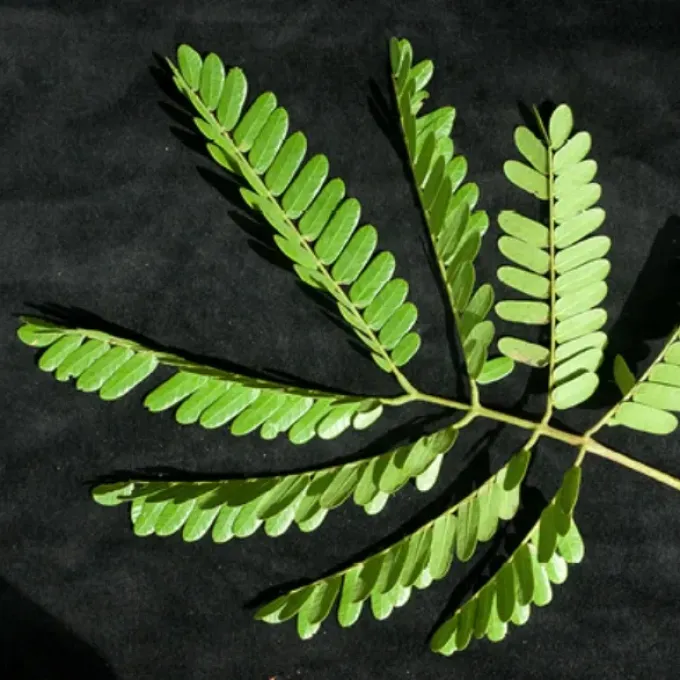
Description
Growing requirements
Albizia ferruginea, commonly known as West African albizia, is a large deciduous tree belonging to the Fabaceae family. It is recognized for its dense, umbrella-shaped canopy and its potential to reach significant heights in its native habitat.
The natural range of this species covers the tropical regions of West and Central Africa. It thrives in high-rainfall environments, typically inhabiting moist lowland forests where it competes for canopy space with other primary rainforest species.
The plant requires deep, fertile, and well-drained soils to achieve maximum growth. It performs poorly in waterlogged conditions, making proper site selection essential for successful establishment in forestry or agroforestry projects.
As a legume, Albizia ferruginea plays a vital role in nitrogen fixation. Its leaf litter decomposes to return valuable nutrients to the soil, which significantly benefits the overall fertility of the tropical landscape.
Climatic requirements are strictly tropical, necessitating year-round warmth without frost exposure. For optimal development, young trees require moderate shading during their early life stages to prevent heat stress and desiccation.
Main diseases and pests
Common threats to the health of Albizia ferruginea include various wood-boring beetle species that can cause structural damage to the trunk and main branches, affecting timber value.
Root rot, often caused by Phytophthora or similar soil-borne pathogens, poses a significant threat, particularly in poorly drained nursery substrates or overly wet plantations.
Leaf-feeding caterpillars can occasionally cause extensive defoliation, which stunts the growth of saplings and makes them more susceptible to subsequent environmental stress or secondary infections.
Management practices for disease control focus on maintaining soil health and preventing mechanical damage to the bark, which serves as a primary entry point for many pathogens.
Integrated pest management strategies are recommended to keep damage levels below economic thresholds, ensuring the long-term sustainability of the tree population in commercial stands.
Harvesting
The harvesting of Albizia ferruginea is typically focused on its high-quality timber, which is valued for its durability, attractive grain, and ease of working in carpentry.
Selective harvesting is the preferred method for managing stands of this species, allowing younger trees to continue growing while older, mature specimens are extracted for lumber production.
The wood is often utilized for furniture making, decorative veneers, and indoor construction, owing to its resistance to decay when kept under standard interior conditions.
Sustainable logging practices involve careful planning of skid trails to protect the forest floor and ensure the natural regeneration of the area after mature trees are removed.
Post-harvest processing involves rapid sawing and air-drying to prevent warping and degradation, as the wood exhibits characteristics that require careful moisture control during initial seasoning.