
Tetrapleura tetraptera
Tetrapleura tetraptera
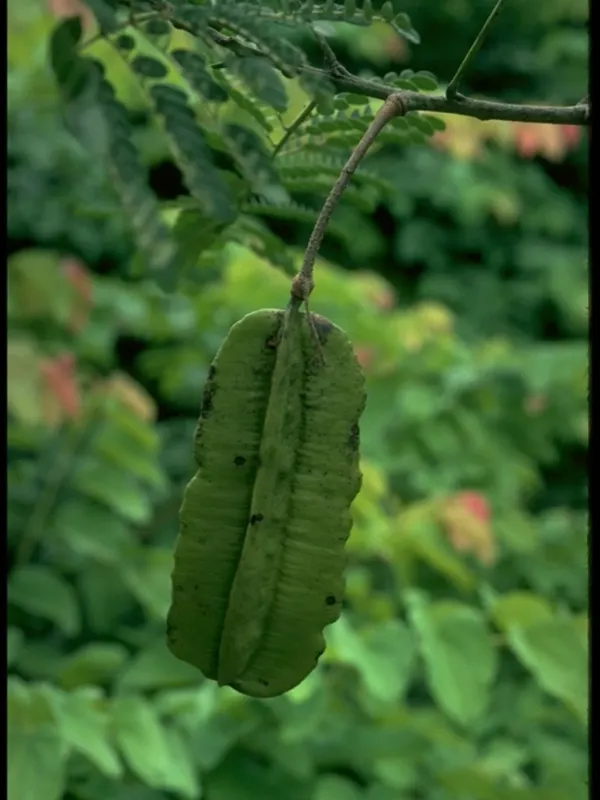
Description
Sowing dates
Tetrapleura tetraptera, commonly referred to as the Aidan fruit tree, is primarily propagated through seeds. Due to the hard seed coat, pre-sowing scarification is essential to break dormancy and ensure a uniform germination rate in nursery beds.
The sowing process involves using well-drained, nutrient-rich substrates in controlled nursery conditions. It is advisable to initiate planting at the beginning of the rainy season to provide seedlings with consistent moisture levels required for initial root development.
When transplanting into the field, a spacing of at least 6–8 meters between individual trees is required. This distance allows for optimal crown expansion and promotes proper air circulation, which reduces the incidence of foliage diseases in humid environments.
Young saplings require meticulous care during their first two years. Shading is often necessary to prevent desiccation from intense tropical sunlight until the plants have developed a sufficiently robust bark and deep root system.
Ongoing research and selection programs aim to identify superior genotypes that exhibit both high yield potential and resistance to common pests, ensuring that only the most productive trees are used for orchard expansion.
Growing requirements
This species belongs to the Fabaceae family and thrives in tropical rainforest climates. It requires mean annual temperatures between 22 and 30 degrees Celsius and high relative humidity to maintain vigorous growth throughout the year.
The plant prefers deep, fertile, and well-drained soils rich in organic matter. Waterlogging should be avoided at all costs, as the roots are highly susceptible to decay in poorly drained, heavy clay soils or flood-prone terrain.
While seedlings can tolerate some level of shade during their establishment phase, mature trees require full sunlight for optimal flowering and fruit set. Proper site selection in open forest gaps or managed orchards is therefore crucial.
Soil pH levels should ideally range between 5.5 and 6.5. Like many legumes, Tetrapleura tetraptera relies on symbiotic nitrogen-fixing bacteria in the root zone to supplement its nitrogen intake, making the health of the soil microbiome an important agricultural factor.
While the tree shows some tolerance to short-term dry spells, sustained droughts can lead to stunted growth and reduced fruit quality. Supplementing water during critical flowering stages is highly recommended for commercial production.
Yield
The economic value of the crop is derived from its unique, four-winged fruits, which are highly prized as a spice and a traditional medicinal ingredient. A healthy, mature tree can produce between 50 to 100 kilograms of fruit per season.
Active fruit production typically begins when the tree reaches 7 to 10 years of age. Given the long lifespan of this species, it represents a stable, long-term agricultural asset for agroforestry projects in tropical regions.
The fruits are rich in phytochemicals, including flavonoids and aromatic essential oils. The quality and market price of the yield are heavily dependent on post-harvest handling and the intensity of sun exposure during the maturation phase.
After harvesting, the fruits must be dried or fermented under controlled conditions to preserve their active chemical properties. Proper storage in cool, dry, and ventilated facilities is necessary to prevent spoilage.
There is a robust and growing market for this crop, driven by increasing international interest in natural spices and pharmaceutical-grade botanical ingredients, making it a lucrative investment for tropical farmers.
Main diseases and pests
Fungal leaf spot diseases represent a significant threat, particularly in regions with high humidity levels. Effective control strategies include regular sanitary pruning to improve airflow and the application of organic or synthetic fungicides when necessary.
Root rot is a critical risk factor caused by improper drainage management. Maintaining soil structure and avoiding water accumulation in the root zone are the best preventative measures against this destructive condition.
Pests such as pod-boring insects and various beetle species can significantly damage the harvest. Implementing integrated pest management (IPM) practices, such as pheromone traps, helps monitor and control pest populations without resorting to excessive chemicals.
Damage to the fruit surface by insects makes the product less desirable for the market and prone to further decay. Timely monitoring of fruit development is crucial for assessing potential damage early in the season.
Nutrient deficiencies, particularly involving magnesium or iron, may manifest as leaf chlorosis, which can weaken the plant and increase its vulnerability to secondary infections. Regular soil testing helps maintain a balanced fertilization regimen.
Harvesting
The harvesting process begins once the pods change color from green to a deep mahogany or dark brown. This color shift serves as a primary visual indicator that the fruits have reached their peak maturity and aromatic potential.
Harvesting is labor-intensive and usually performed manually. Care must be taken not to damage the tree's branches or bark, as structural damage can create entry points for pathogens and reduce the tree's future productivity.
Post-harvest, the fruits should be cleaned of dirt and organic debris before being laid out to dry. Solar drying for several days is standard practice to stabilize the product and remove excess moisture that could lead to mold development.
It is best to conduct harvesting operations during dry spells. Damp or humid conditions during harvest increase the risk of rapid spoilage and can degrade the volatile oils that give the fruit its characteristic fragrance.
Transportation and final storage must occur in ventilated containers to prevent moisture buildup. Ensuring proper airflow throughout the supply chain is essential to maintaining high-quality produce until it reaches the end user.