
Tessmannia yangambiensis
Tessmannia yangambiensis
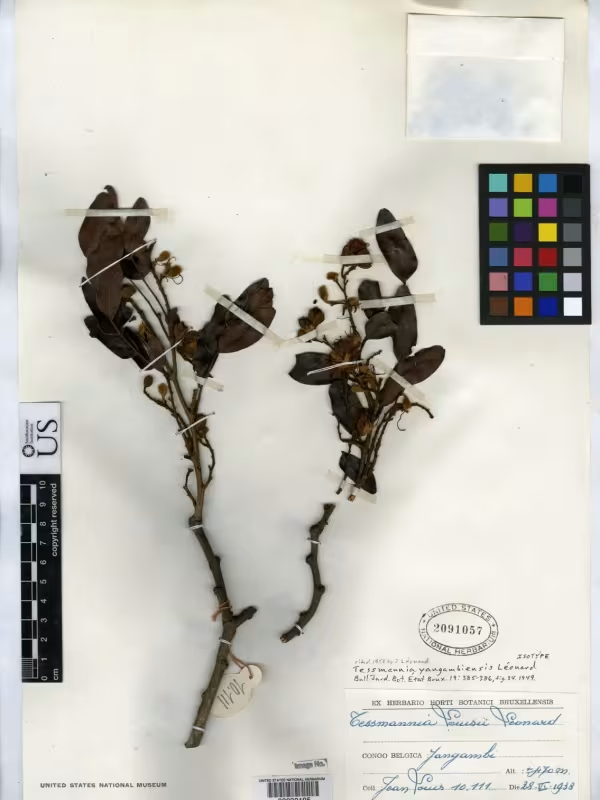
Description
Growing requirements
Tessmannia yangambiensis is a distinct tree species belonging to the legume family (Fabaceae). Native to the tropical forests of Central Africa, it plays a vital role in the ecosystem structure and biodiversity of its natural habitat.
The climate requirements for this species are strict, as it thrives in high-temperature, humid environments. It is highly sensitive to cold, and its growth is optimal only when seasonal temperatures remain consistent throughout the entire year.
Soil quality is a critical factor for the successful cultivation of this species. It prefers deep, well-draining soils that are abundant in organic matter, as these conditions support the deep root system typical of large tropical legumes.
Regarding silvicultural management, spacing and shade control are essential. While juvenile trees can tolerate moderate shade, they eventually require enough space and light to develop a robust canopy and a straight, high-quality trunk for timber.
The primary economic value of this tree lies in its wood, which is utilized for high-end carpentry and construction. Its biological properties, such as density and natural durability, make it a sustainable resource if managed under appropriate forestry standards.
Main diseases and pests
The species faces threats from various fungal pathogens that flourish in high-humidity tropical conditions. Leaf blight and root rot are documented issues that can significantly impact the health of nursery-grown saplings.
Pest pressures include stem-boring beetles that specifically target the phloem and xylem layers. These infestations not only affect the growth rate of the tree but also decrease the commercial value of the wood by creating galleries and defects.