
Spanish broom (mountain)
Cytisus oromediterraneus
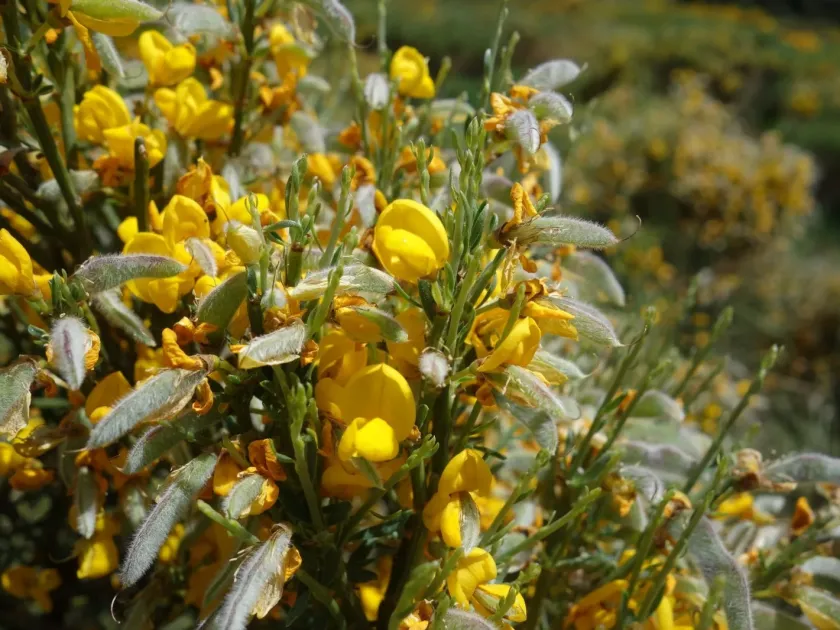
Description
Sowing dates
Cytisus oromediterraneus is a robust shrub of the Fabaceae family, widely appreciated for its hardiness. Propagation via seeds requires mechanical scarification to break the seed coat, significantly improving the germination rate.
Vegetative propagation is commonly achieved through semi-hardwood cuttings taken during the mid-summer months. These cuttings should be planted in a well-draining, sandy-based medium to ensure proper root development without waterlogging.
The optimal planting time is either spring or early autumn, allowing the root system to establish before extreme temperature fluctuations. Container-grown plants generally exhibit higher success rates when transplanted into their permanent location.
Spacing requirements vary according to the landscape application, though a distance of 1 to 1.5 meters is recommended for individual plants. Closer spacing can be utilized for creating dense screens or hedges, requiring judicious pruning.
Early-stage management involves basic weed control and ensuring adequate moisture in the root zone during the first growing season. Once established, this species demonstrates exceptional resilience and requires minimal supplemental care.
Growing requirements
This species thrives in full sun, which is essential for maintaining a compact growth habit and prolific flowering. Partial shade exposure typically results in elongated, sparse stems and a significant reduction in blossoms.
In terms of soil, it prefers sandy, gritty, or rocky substrates with excellent drainage. It is highly tolerant of acidic to neutral soils and can successfully inhabit nutrient-poor environments where other species fail to thrive.
Cytisus oromediterraneus is naturally adapted to drought-prone conditions, making it an excellent choice for xeriscaping or slope stabilization. Standing water is detrimental to the roots, emphasizing the necessity of site selection with high percolation.
The shrub exhibits significant cold tolerance, which is vital for its survival in mountainous or temperate continental climates. It generally requires no winter protection once the root system is mature and well-developed.
Regular maintenance includes an annual spring pruning immediately after flowering to stimulate new growth. Applying a balanced, low-nitrogen fertilizer early in the season can enhance vigor without promoting excessive, weak succulent stems.
Main diseases and pests
The most common disease threats are fungal infections, such as powdery mildew or rust, which typically manifest in poorly ventilated or excessively humid conditions. Proper pruning is essential to facilitate airflow throughout the crown.
Pests such as aphids and leaf-mining moths can occasionally affect the foliage, particularly during dry spells. Monitoring the plant for early signs of infestation is crucial for effective integrated pest management.
If fungal disease becomes severe, systemic fungicides are recommended. However, prevention remains the most effective strategy, primarily through proper site drainage and avoiding overhead watering techniques that wet the foliage unnecessarily.
Root rot, often caused by poor soil drainage or over-irrigation, is a significant danger. Soil aeration through light hoeing can improve root health, provided that the main structural roots are not disturbed during the process.
Integrated pest management should prioritize beneficial predators to control aphid populations naturally. If chemical intervention is necessary, select products that minimize impact on pollinators, as the flowers are important for local bee populations.