
Kōwhai
Sophora microphylla Aiton
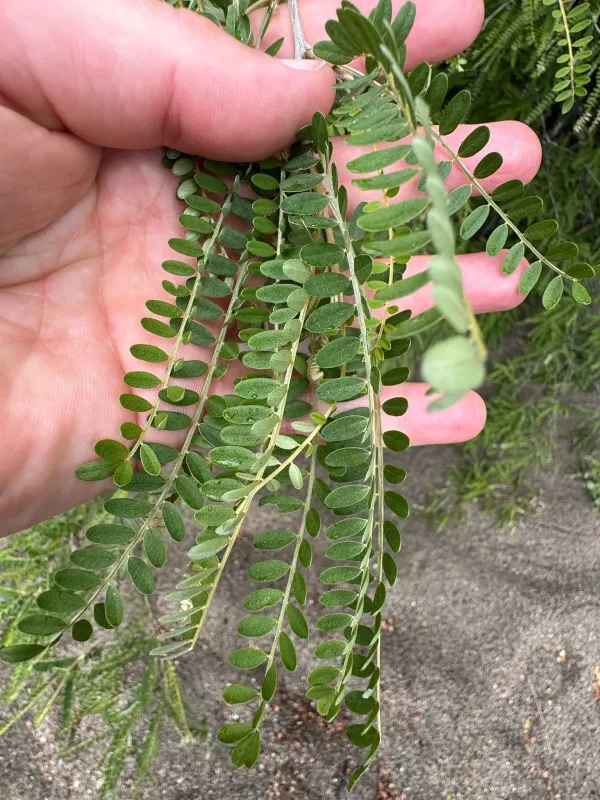
Description
Growing requirements
Sophora microphylla, commonly known as Kōwhai, is a notable species within the Fabaceae family. Originating from New Zealand, this plant is celebrated for its distinctive feathery foliage and striking, tubular yellow flowers that emerge in spring.
The cultivation of this species requires well-draining soil with a neutral to slightly acidic pH. It performs best in sites that receive full sun exposure for the majority of the day, which helps in promoting denser flowering and vigorous branch development.
Regarding climate, the plant is moderately frost-hardy once established, but young specimens require protection during severe winter weather. It adapts well to various Mediterranean climates where sudden drops in temperature are not extreme.
Agrotechnical maintenance focuses on providing consistent moisture during the establishment phase, transitioning to moderate watering once the root system is mature. Pruning should be performed after the flowering period to maintain the desired shape and remove any deadwood.
Host plant utilization is primarily centered on ornamental landscaping. Its ability to attract native birds and pollinators makes it an essential component for ecological garden designs and restoration projects in compatible climate zones.
Main diseases and pests
The plant can be susceptible to root rot, particularly in heavy or waterlogged soils. To mitigate this risk, it is essential to ensure a coarse, draining planting medium and to avoid deep planting of the root ball.
Pest pressure often comes from leaf-mining insects and aphids, which can target new growth during the spring flush. Integrated pest management strategies, such as physical removal or insecticidal soap, are effective in controlling these localized outbreaks.
Fungal infections, such as powdery mildew, may occur if air circulation around the canopy is poor. Thinning out overcrowded branches helps improve airflow and minimizes the favorable conditions for fungal spore germination.
Environmental stress can also predispose the tree to secondary infections. Ensuring the tree is not exposed to extreme, sudden fluctuations in soil moisture helps maintain its natural defenses against diseases.
Monitoring for scale insects is another crucial aspect of maintenance, as they can cause significant sap loss and promote the growth of sooty mold on the foliage. Regular inspection of the undersides of leaves is recommended for early detection.