
Sophora prostrata
Sophora prostrata Buchanan
Description
Growing requirements
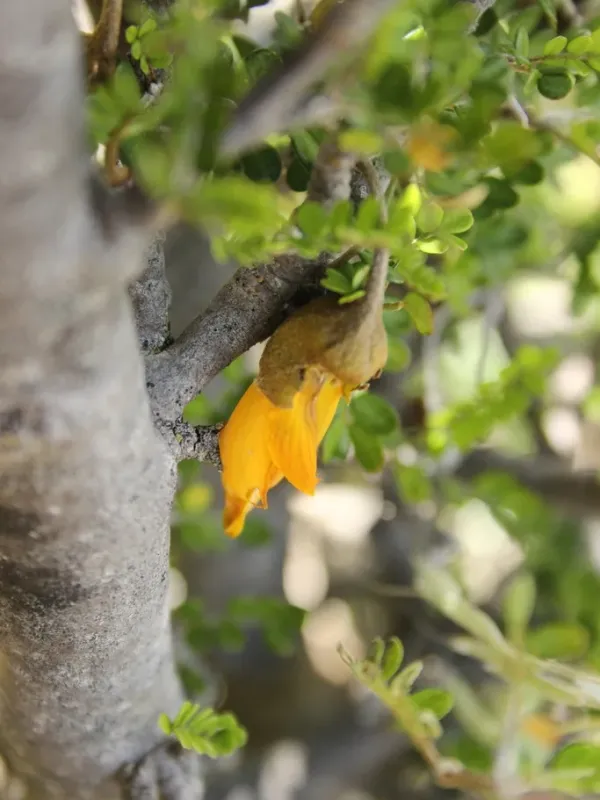
Sophora prostrata, commonly known as prostrate sophora, is a distinctive shrub species belonging to the Fabaceae family. Originating from New Zealand, it naturally inhabits stony, exposed slopes and mountainous areas, where it has adapted to harsh environmental conditions.
The plant is botanically renowned for its unique zigzag branch structure, which creates a dense, tangled, and mat-like form. Its small, pinnate leaves provide a delicate texture, making it an architectural feature in gardening and landscape design.
For successful cultivation, Sophora prostrata requires full sun exposure and well-draining soil. It thrives in soils with neutral to slightly acidic pH levels. Good drainage is critical, as the species is highly susceptible to root rot in waterlogged or heavy clay conditions.
Climate requirements include protection from heavy winds and extreme frosts. While it can withstand moderate cold, it performs best in temperate regions. In colder zones, it is frequently grown as a container plant or in protected rock gardens where it can be shielded during winter.
The primary use of this plant is ornamental, particularly in rock gardens, gravel beds, or as a feature plant. Its slow growth and compact habit make it a popular choice for bonsai enthusiasts and designers looking for unique, evergreen architectural elements.
Main diseases and pests
The most significant threats to Sophora prostrata are fungal pathogens resulting from excessive moisture and poor soil aeration. Root rot is the most common issue, often leading to rapid decline if the plant is subjected to stagnant water or overly dense soil.
Pests such as aphids and spider mites may infest the plant, particularly in sheltered or indoor environments where air circulation is limited. Regular inspection and the application of appropriate insecticides or horticultural oils can help manage these infestations effectively.
Preventive maintenance focuses on proper irrigation management. The substrate should be allowed to dry out between watering sessions to ensure the root system remains oxygenated and free from fungal spores that thrive in damp environments.
During the growing season, gardeners should monitor for signs of leaf spot or discoloration. If an infection is detected, affected branches should be pruned away to prevent further spread, followed by an application of a suitable fungicide.
Maintaining the overall health of the shrub through balanced, light fertilization and optimal placement significantly improves its natural resistance. By avoiding excessive humidity and maintaining good airflow, most disease and pest issues can be avoided entirely.