
Schnella guianensis
Schnella guianensis
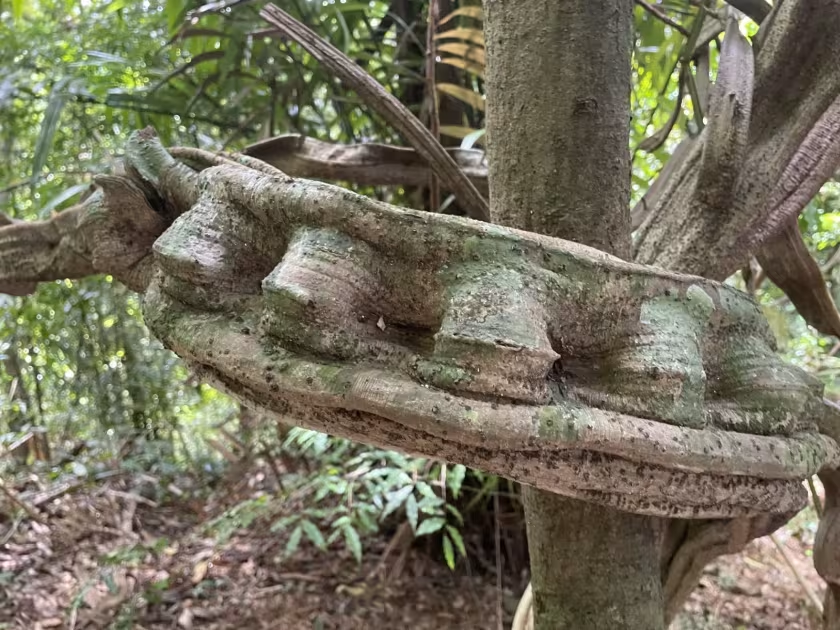
Description
Growing requirements
Schnella guianensis is a perennial woody climber belonging to the Fabaceae family. It is distinguished by its unique leaf structure and ability to thrive in dense canopy environments of South American tropical forests.
The plant originates from the tropical regions of Guiana and the Amazon basin. It naturally grows as an understory vine that climbs towards the sunlight, making it highly adapted to competitive tropical environments.
Cultivation requires well-drained, nutrient-rich soils that mimic the forest floor composition. The presence of organic mulch is beneficial for maintaining root health and preserving the necessary soil moisture levels.
Temperature requirements are strict, necessitating a tropical climate with a range of 24–28°C. Cold temperatures are detrimental and can lead to rapid tissue death in this frost-intolerant species.
Proper trellising and support structures are essential in an agricultural or garden setting. The vine requires vertical space to facilitate healthy vegetative growth and to allow for adequate airflow between the leaves.
Main diseases and pests
The primary threats to Schnella guianensis involve fungal pathogens favored by humid conditions. Powdery mildew and various leaf spot diseases are common concerns that require constant environmental management.
Pests such as scale insects and spider mites frequently target the plant, especially in glasshouse or nursery conditions. Mechanical removal and systemic insecticides are typically employed to manage these infestations.
Root rot, often caused by Phytophthora species, can result from poor soil drainage. This condition is difficult to treat, making prevention through adequate irrigation management and porous soil substrates critical.
Environmental stress, including drought or excessive direct sun, can weaken the plant's resistance, making it more susceptible to secondary infections. Maintaining a stable microclimate is vital for plant health.
Regular sanitation, which includes removing dead foliage and debris, helps minimize the accumulation of spores and pest eggs, promoting a healthier growing environment for the vine.