
Pultenaea daphnoides
Pultenaea daphnoides
Description
Growing requirements
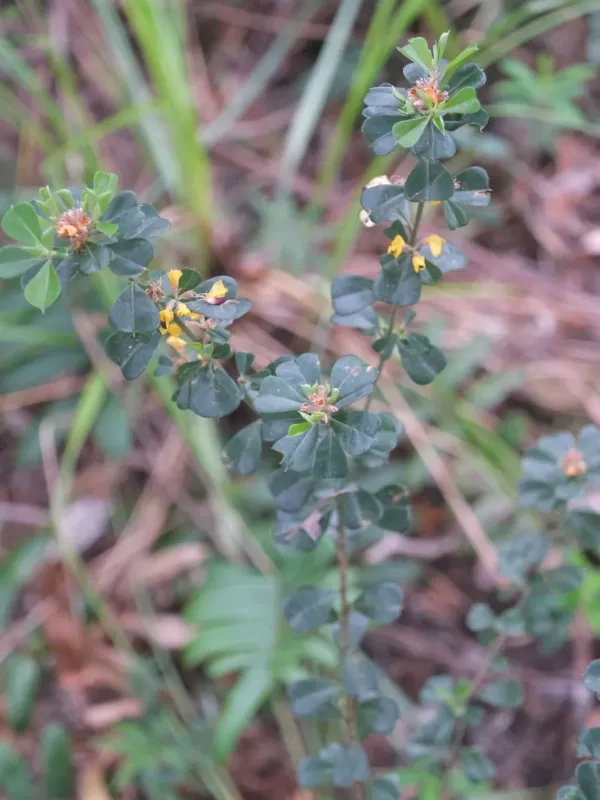
Pultenaea daphnoides, commonly known as the Large-leaf Bush-pea, is an evergreen shrub belonging to the Fabaceae family. It is native to Australia, where it is found in diverse habitats, including sclerophyll forests and heathlands.
The plant is recognized by its distinct leaves, which are larger than those of many other Pultenaea species and resemble those of daphne. The shrub typically grows to a height of 1 to 2 meters, producing dense clusters of yellow, pea-shaped flowers with reddish-brown markings during the late spring and summer months.
Cultural requirements for this species include well-drained, acidic soil. It thrives best in sandy or gravelly loams that allow for excellent drainage, as the roots are highly susceptible to rot in waterlogged conditions. Proper site selection is crucial for long-term health.
Climate adaptability is moderate, with the plant favoring temperate conditions. While it can withstand occasional light frosts, it performs best in environments where it is protected from severe freezing temperatures. Consistent, though moderate, moisture levels are required during the establishment phase.
The primary horticultural use of this plant is in native garden design. It is highly valued for its aesthetic appeal, particularly when grouped with other Australian native shrubs, providing both visual interest through its foliage and a burst of color during the flowering season.
Main diseases and pests
The most significant threats to the plant's health are soil-borne pathogens, particularly Phytophthora, which flourish in damp, poorly drained soils. Avoiding over-irrigation is the most effective preventative measure against these diseases.
Pests typically include sap-sucking insects like mealybugs and aphids, which may cluster on new growth. Regular monitoring and the application of horticultural oils or insecticidal soaps can manage these pests without impacting the plant's overall vitality.