
Pueraria peduncularis
Pueraria peduncularis
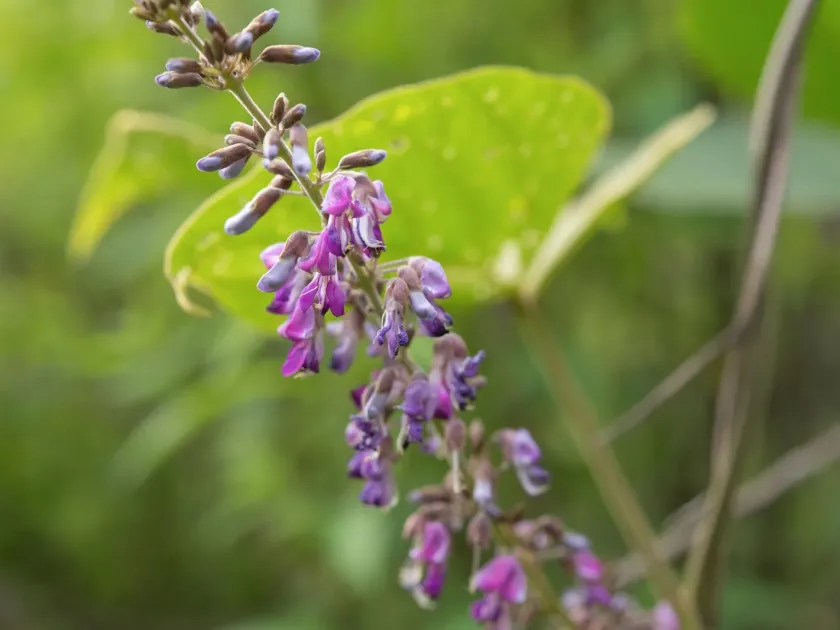
Description
Sowing dates
Sowing of Pueraria peduncularis is typically performed in the spring season when soil temperatures stabilize between 15 and 18 degrees Celsius. Adequate soil moisture is crucial during this period to ensure uniform germination and seedling establishment.
The seeds of this species feature a hard seed coat, which necessitates mechanical or chemical scarification to improve water absorption rates. Seeds should be planted at a depth of 2–3 centimeters to balance protection with the need for light-induced emergence.
Row spacing should be maintained between 60 to 70 centimeters to accommodate the plant's vigorous growth pattern. This spacing allows for proper air circulation, which helps reduce the risk of humidity-related fungal diseases within the crop canopy.
Optimizing plant density is vital, as overly crowded fields can lead to increased competition for nutrients and solar radiation. Proper planning ensures that the plant develops a deep, resilient root system rather than focusing solely on excessive foliage.
In regions with cooler spring climates, starting seedlings in a nursery and transplanting them after the last frost date can provide a significant growth advantage. This practice helps ensure the crop is established before the peak heat of summer.
Growing requirements
Pueraria peduncularis is a member of the Fabaceae family, characterized by its long, trailing stems and deep root system. It originates from temperate and subtropical zones of Asia, thriving in areas with balanced rainfall and long growing seasons.
The crop prefers well-drained, fertile loamy soils. Waterlogged conditions must be avoided, as the plant is sensitive to hypoxia in the root zone, which can lead to rapid decline and the development of root pathogens.
Optimal growth occurs at temperatures between 20 and 30 degrees Celsius. The crop is light-demanding, requiring full sunlight to maximize biomass production and the fixation of atmospheric nitrogen through symbiotic bacteria.
Soil pH should ideally be kept in the neutral to slightly acidic range. Regular soil analysis is recommended to monitor nutrient levels, particularly phosphorus and potassium, which are essential for long-term plant health and productivity.
Once established, the crop demonstrates good resilience against temporary moisture stress. However, to maintain high yield levels, supplementary irrigation during the peak growing phase is often beneficial in regions with uneven rainfall distribution.
Yield
The primary agricultural application of Pueraria peduncularis is as a high-protein forage crop for livestock. It is prized for its ability to produce substantial green matter that can be used for grazing, haymaking, or silage production.
When managed effectively, the crop can support multiple harvests per year. The nutritional quality of the forage is highest when harvested at the late vegetative or early flowering stage, ensuring a high ratio of leaf to stem material.
Beyond its feed value, the species is an excellent tool for soil conservation. Its extensive root architecture stabilizes the ground, effectively mitigating soil erosion on sloping terrains and improving overall soil structure.
Due to its nitrogen-fixing capabilities, it is often utilized in sustainable farming systems to naturally enrich the soil. Farmers use it as a cover crop to improve the fertility of the field for subsequent agricultural rotations.
Productivity typically peaks during the third and fourth years as the root system achieves maximum biomass. With proper management and minimal soil disturbance, these plantations can remain productive for many years, providing a reliable source of biomass.
Main diseases and pests
Fungal diseases are the primary threat to the crop, particularly powdery mildew and anthracnose. These pathogens are most prevalent under conditions of high relative humidity and stagnant air within the field.
Leaf-eating insects and spider mites represent the most common pests that can impact crop vigor. Heavy infestations lead to a reduction in the leaf surface area, which directly translates to lower photosynthetic efficiency and reduced biomass yield.
Integrated Pest Management (IPM) strategies, including crop rotation and proper row spacing, are the most effective ways to minimize these threats. By ensuring good airflow, the frequency and severity of fungal outbreaks can be significantly reduced.
Weed management is critical during the initial year of cultivation. Because Pueraria peduncularis grows relatively slowly at the start, it requires manual or mechanical weeding to prevent more aggressive weeds from outcompeting the crop for nutrients.
Rodents can also pose a threat to the crop by damaging the stems and roots, especially during the winter dormant period. Implementing monitoring protocols and maintaining clean field borders help keep pest populations at manageable levels.