
Hairy Bush-pea
Pultenaea villosa
Description
Growing requirements
Hairy Bush-pea (Pultenaea villosa) is a charming evergreen shrub belonging to the Fabaceae family. It is native to the eastern regions of Australia, where it naturally inhabits open forests and heathlands.
The species thrives in well-drained sandy or loamy soils. It requires adequate drainage to prevent root rot, as the plant is highly susceptible to waterlogged conditions, which is a common challenge for many Australian native species.
In terms of light, the plant is quite versatile. It prefers full sun for optimal flowering but can tolerate partial shade, making it a great choice for mixed shrub borders or woodland-style gardens.
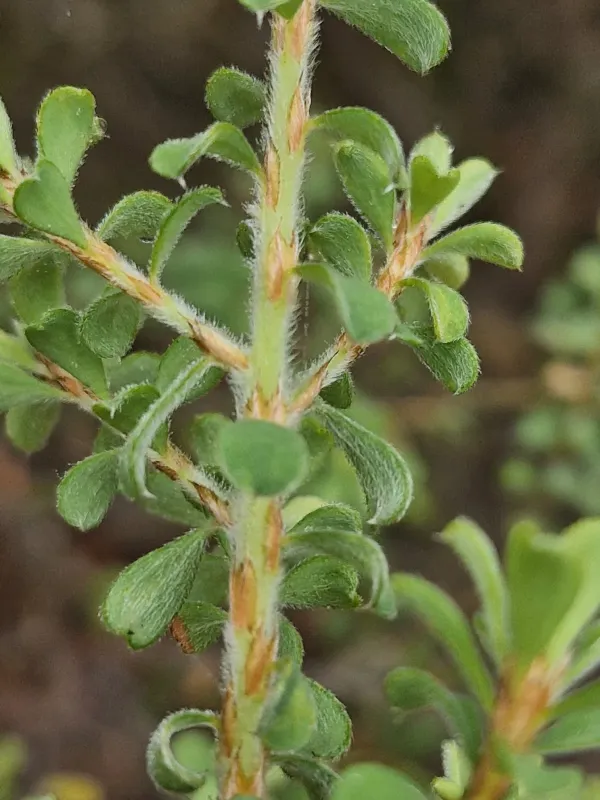
Botanically, it is recognized by its fine, hairy foliage and small, pea-shaped yellow-orange flowers. The plant usually reaches a height of 1-2 meters, maintaining a bushy habit that responds well to occasional pruning.
Commercially and in private gardening, it is highly valued for its ornamental appeal. It is often used in restoration projects for local biodiversity or as a structural element in native-focused landscape designs.
Main diseases and pests
The most significant threat to the health of Hairy Bush-pea is root rot, often caused by Phytophthora species when soil conditions remain persistently wet. Ensuring excellent soil aeration is the primary method of prevention.
Insects like aphids and spider mites can occasionally colonize the dense foliage, particularly during dry and hot periods. Regular monitoring and the application of horticultural soaps can help manage these infestations effectively.
Scale insects can also be a nuisance, adhering to the stems and branches. If left unchecked, they can cause yellowing of the leaves and stunt the overall growth of the shrub, requiring targeted intervention.
Fungal leaf spot diseases may appear during periods of high humidity and poor air circulation. Improving spacing between plants is crucial to allow foliage to dry quickly after rain or irrigation.
The use of phosphorus-rich fertilizers should be avoided, as many Australian native plants in the Fabaceae family are adapted to low-nutrient soils and can be harmed by high concentrations of specific nutrients.