
Matted Bush-pea
Pultenaea pedunculata
Description
Growing requirements
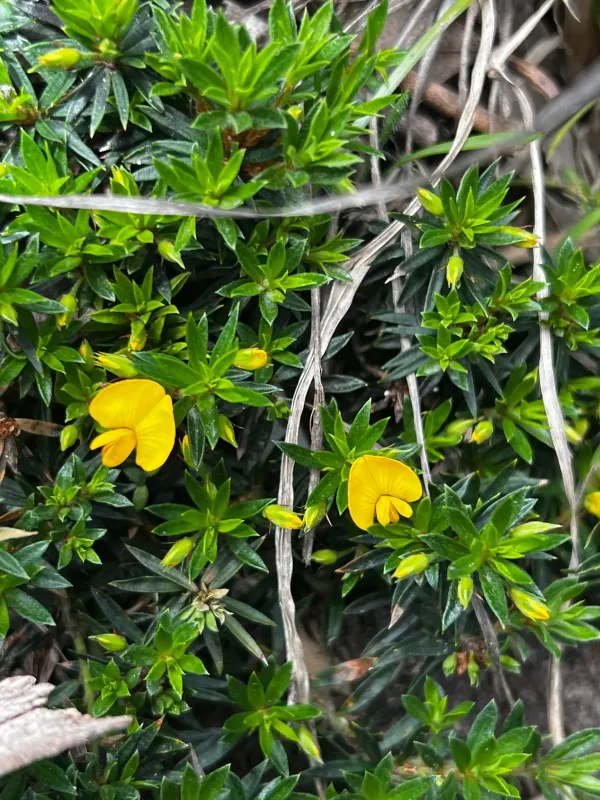
Pultenaea pedunculata, commonly known as the Matted Bush-pea, is a prostrate shrub belonging to the Fabaceae family. Native to southeastern Australia, this plant is characterized by its spreading, mat-forming habit, which makes it an excellent choice for ground stabilization.
The plant is highly valued for its ability to thrive in challenging environments, providing a dense cover that suppresses weeds. Its botanical structure consists of fine, wiry stems and small, lanceolate leaves, often accompanied by vibrant yellow and red pea-like flowers during the blooming season.
Regarding cultivation requirements, this species demands well-drained, acidic to neutral soil types. It is particularly adapted to sandy soils found in native woodland habitats. Heavy, clay-based soils that retain water are detrimental to its health and should be avoided or heavily amended.
Exposure to full sun is ideal for promoting prolific flowering and maintaining a compact growth form. While it exhibits moderate drought tolerance once established, consistent soil moisture during the initial planting stages is crucial for developing a robust root system.
In terms of climate, it prefers Mediterranean-style environments with mild winters. In regions with severe frost, it is often grown as an annual or requires significant protective measures to prevent damage to the delicate trailing branches.
Main diseases and pests
The most significant threat to Pultenaea pedunculata is root rot caused by stagnant water. Poor drainage promotes the growth of Phytophthora species, which can rapidly lead to the collapse of the entire plant structure.
Pests are generally manageable, but spider mites can cause distress during prolonged hot and dry conditions. Regular monitoring of the foliage and application of horticultural oils or soaps are recommended to mitigate pest populations early.
Soil nutrient imbalance is another factor to consider. As a native of low-nutrient soils, the species does not require intensive fertilization. Over-fertilization, particularly with phosphorus, can be toxic to the plant and hinder its natural symbiotic relationships.
Fungal leaf diseases, such as powdery mildew, may occur in areas with poor airflow or high relative humidity. Maintaining adequate spacing between plants is an essential cultural practice to ensure proper ventilation and reduce disease pressure.
Mechanical damage during maintenance tasks can also create entry points for pathogens. Careful handling and weed management using non-contact methods are preferred to preserve the integrity of the fragile, matted stems of the shrub.