
Pterocarpus macrocarpus
Pterocarpus macrocarpus Kurz
Description
Sowing dates
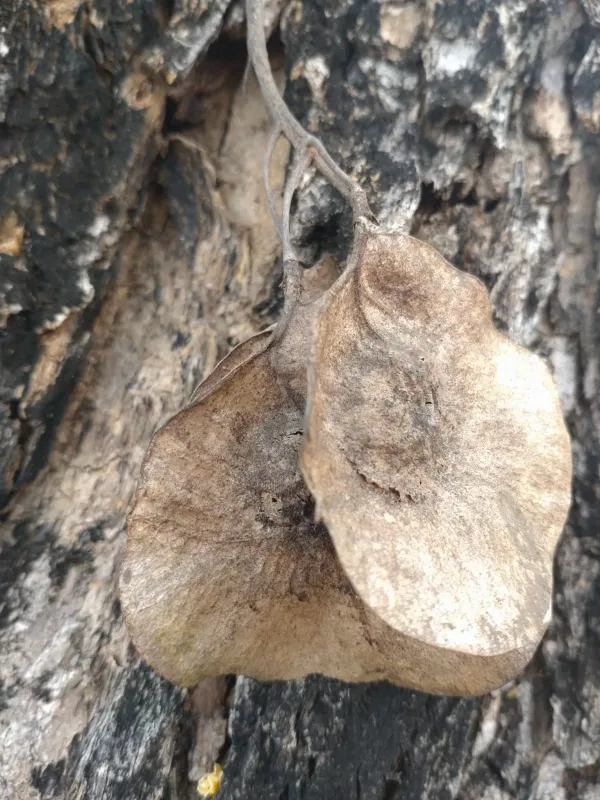
Propagation of Pterocarpus macrocarpus is primarily achieved through seeds in nursery environments. Seeds are collected after complete pod maturation, turning brown, which typically occurs during the dry season.
To improve germination rates, seeds require pre-treatment due to their hard seed coat. Soaking in water for 24 hours or slight mechanical scarification helps reduce the germination period and increases the percentage of successful seedling emergence.
Sowing is performed in prepared containers filled with well-drained substrate rich in organic matter. Maintaining consistent moisture until germination is crucial, though waterlogging must be avoided to prevent root decay.
Seedling transplantation to permanent sites usually occurs at the beginning of the rainy season, providing young plants with an optimal moisture reserve for root system adaptation. Recommended spacing is 4–6 meters to ensure adequate light exposure.
Initial maintenance during the first two years includes regular weeding and mulching around the base. This is essential to prevent competition from fast-growing invasive weeds in tropical climates.
Growing requirements
Pterocarpus macrocarpus belongs to the Fabaceae family and is an important tropical hardwood. It prefers regions with a distinct monsoon climate characterized by alternating periods of high humidity and significant drought.
This species is light-demanding and performs poorly under dense canopy cover, particularly during early growth stages. For optimal development, the tree requires full sunlight and open space.
Optimal soils for this species are well-drained loams or sandy soils with a neutral to slightly acidic pH. The tree is highly sensitive to sites with high water tables or poor drainage, which can inhibit growth.
In its native range, the plant grows across a wide altitudinal range, but it shows the best growth indicators in lowland areas and foothills across Southeast Asia.
The culture exhibits high drought tolerance by shedding leaves during extremely dry periods, an important adaptive mechanism that allows it to survive seasonal water stress.
Yield
The economic productivity of Pterocarpus macrocarpus is primarily measured by biomass growth rates and timber quality. Under optimal conditions, the tree reaches a height of 25–30 meters with trunk diameters of 80–100 cm.
Known commercially as "Padauk," the timber is highly prized on the international market. It features high density, a vibrant texture, and excellent resistance to decay and termite infestation.
Industrial applications include premium furniture, musical instruments, and decorative wood paneling. Due to its superior physical properties, products made from this wood remain in high demand for decades.
Beyond timber, the tree has applications in traditional medicine and perfumery. The bark and roots contain specific bioactive compounds utilized in the folk pharmacology of its native regions.
The economic cycle for this crop is long-term, requiring professional forest management and patience, as the investment horizon spans several decades.
Main diseases and pests
Major threats to Pterocarpus macrocarpus plantations include fungal root diseases, often caused by improper irrigation management. Excessive moisture in the root zone frequently leads to lethal root rot.
Pests such as wood borers and various leaf-eating insects can cause significant damage to young saplings. Regular phytosanitary monitoring is essential to detect and contain infestations early.
Large herbivores can also pose a threat by stripping bark from young trees. Fencing plantations is a standard protective measure required during the first years of establishment.
Specific leaf diseases caused by pathogenic fungi may affect the canopy during periods of unusually high humidity. Preventive fungicide applications are used in nurseries when seedling density is high.
- Regular soil loosening to prevent compaction.
- Sanitary pruning of affected branches to prevent disease spread.
- Controlled nitrogen application to avoid excessive vegetative growth.
Harvesting
Thinning operations are conducted to shape the stand structure, removing poor-quality or distorted trunks during early stages. This directs tree resources toward the formation of a robust, straight trunk.
The main timber harvest cycle begins once the trees reach 40–60 years of age. Selective logging is preferred over clear-cutting to maintain ecological balance and encourage natural regeneration.
Once harvested, the timber undergoes a slow natural drying process due to the high fiber density. Careful drying is critical to prevent checking and warping of the high-value material.
Transportation of logs must be conducted while following moisture protection protocols, as fresh timber is sensitive to rapid changes in humidity levels.
The entire harvesting process is strictly regulated by the forestry laws of the countries where Pterocarpus macrocarpus grows to ensure the long-term conservation of wild populations.