
Pterocarpus soyauxii
Pterocarpus soyauxii Taub.
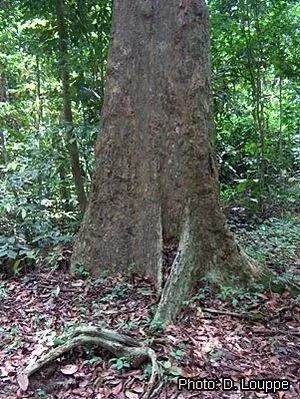
Description
Growing requirements
Pterocarpus soyauxii, commonly referred to as African Padauk, is a prominent tree species belonging to the Fabaceae family. Native to the tropical rainforests of Central and West Africa, this tree is highly valued for its dense, vibrant red timber that remains stable and durable under various conditions.
The species thrives in hot, humid tropical climates where annual precipitation is consistent. It prefers deep, well-draining soils that are rich in nutrients, typically found in evergreen forest regions. It does not tolerate prolonged frost or severe drought, which can significantly stunt its growth.
Botanically, Pterocarpus soyauxii can reach heights of up to 30 meters. It features a broad canopy and a clear, cylindrical trunk. The leaves are compound, typical of legumes, and the tree produces small, fragrant flowers that contribute to the forest biodiversity of its native habitat.
Agricultural management of Pterocarpus plantations requires careful site selection and spacing. Proper silvicultural practices include early canopy management to encourage straight trunk development, which is essential for obtaining high-quality lumber for export and local artisanal use.
Economically, the wood is highly sought after for furniture making, musical instruments, and luxury flooring. Because of its natural resistance to decay and termites, it is considered one of the most reliable and aesthetic hardwoods available in the global market today.
Main diseases and pests
The primary threats to Pterocarpus soyauxii include various wood-boring insects that attack the trunk, compromising structural integrity. These pests thrive in humid environments and can devastate young plantations if not monitored through regular silvicultural inspections.
Fungal pathogens pose a major risk to root health, particularly in areas with poor drainage or waterlogging. Root rot not only affects the growth rate of the tree but can lead to widespread mortality if fungal spores spread across a plantation plot.
Deforestation and habitat fragmentation are significant ecological challenges that reduce the genetic diversity of Pterocarpus soyauxii. Sustainable management plans are now being implemented to protect existing stands and ensure the longevity of the species in its natural range.
In terms of nursery management, seedlings are susceptible to leaf-eating caterpillars and aphids. Integrated pest management strategies, focusing on biological controls and minimal chemical usage, are recommended to maintain the health of the young trees.
Climate change poses a long-term threat as shifting rainfall patterns can alter the suitability of forest zones. Ensuring that plantations are established with adequate ecological buffering helps mitigate these risks and protects the commercial yield of the timber.