
Pterocarpus indicus
Pterocarpus indicus Willd.
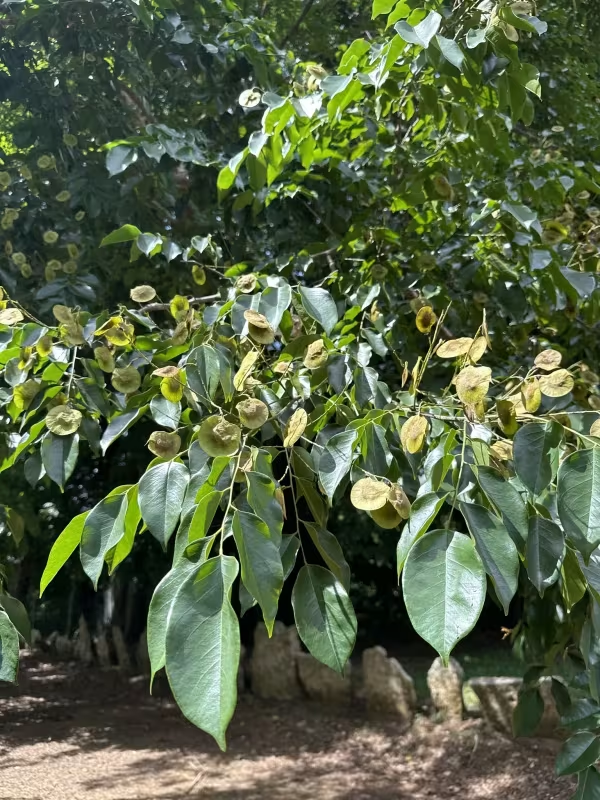
Description
Growing requirements
Pterocarpus indicus, commonly known as the Narra tree, is a significant member of the Fabaceae family. This large, deciduous tree is prized for its magnificent spreading crown and its potential to grow up to 30 meters in favorable tropical environments.
Native to Southeast Asia, this species thrives in tropical climates characterized by high temperatures and consistent rainfall. Its natural distribution ranges across the Philippines, Indonesia, and various parts of the Malay Peninsula.
The crop demands deep, fertile, and well-drained soils to maximize its growth rate. While it is adaptable to various soil types, maintaining a neutral to slightly acidic pH is essential for optimal nutrient uptake and long-term health.
Sunlight is a critical factor for the development of the Narra tree. It requires full exposure to flourish and build high-density wood, which is one of its most desirable characteristics for the furniture and construction industries.
Economic use of the plant is primarily centered on its timber, known for its deep color, durability, and resistance to environmental degradation. Beyond timber, the species plays a vital role in local agroforestry systems and landscape management.
Main diseases and pests
Fungal infections remain the primary threat to young saplings, particularly in regions with poor drainage. Root rot caused by excess soil moisture can significantly reduce the establishment success of new forest plantations.
Leaf-eating insects pose a constant threat to foliage density. Regular monitoring is necessary to prevent severe defoliation events, which can stunt the height growth and biomass accumulation of the tree.
Leaf spot diseases are common in humid conditions and can weaken the tree's overall vigor. Implementing proper spacing between trees is a standard agricultural practice to improve air circulation and mitigate this issue.
Borer insects represent a hidden risk to timber quality. These pests infiltrate the trunks, causing structural damage that diminishes the commercial value of the timber harvested from mature trees.
Integrated pest management, including sanitation cuts and the promotion of biodiversity within the plot, is the most effective approach for sustaining long-term health and productivity of the Narra stand.