
Pongamia pinnata
Pongamia pinnata
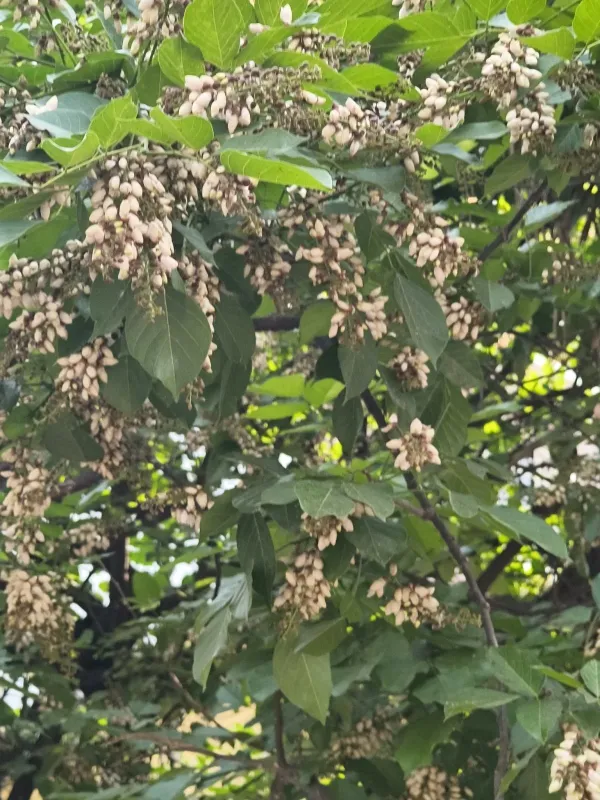
Description
Sowing dates
Propagation of Pongamia pinnata is typically carried out via seeds, which are sown in nurseries during the onset of the monsoon season to ensure high germination rates.
Seed pretreatment, such as mechanical scarification, is highly recommended to break dormancy and facilitate uniform growth of the seedlings in the initial stages.
Once seedlings reach a height of approximately 30-50 cm, they are ready for transplanting into permanent agricultural or agroforestry plots with proper spacing.
Standard planting density varies depending on the purpose, but a range of 5 to 8 meters between trees is generally adopted to allow optimal crown expansion and air circulation.
Initial irrigation is necessary until the saplings establish a strong root system, after which the species becomes remarkably self-sufficient even in arid regions.
Growing requirements
Pongamia pinnata belongs to the Fabaceae family and is recognized for its extraordinary adaptability to various environmental conditions, including saline and alkaline soils.
The tree thrives in tropical and subtropical climates and is highly valued for its role in soil nitrogen fixation, which naturally enhances fertility in plantation areas.
Its deep taproot system makes the tree exceptionally drought-resistant and capable of stabilizing soil on slopes, effectively preventing erosion in river basins.
It prefers full sun exposure and can tolerate a wide pH range, making it a versatile species for land reclamation projects on degraded or marginal lands.
While tolerant of waterlogging, it performs best in well-drained soils, where it can reach its full genetic potential for biomass and seed yield within a few years.
Yield
The economic value of Pongamia pinnata is primarily driven by its seeds, which contain high levels of non-edible oil suitable for biofuel production.
A single mature tree can yield significant quantities of seeds annually, with productivity levels increasing steadily as the tree matures toward its peak years.
Beyond biofuels, the oil is processed for various industrial applications, including the production of soaps, lubricants, and high-quality bio-based pesticides.
The seed cake remaining after oil extraction serves as a nitrogen-rich organic fertilizer, returning nutrients to the soil and completing the sustainable cycle.
As a long-lived tree species, Pongamia offers a reliable and consistent source of raw material for sustainable energy industries for several decades.
Main diseases and pests
Pests such as leaf-eating caterpillars and aphids can occasionally damage young foliage, necessitating careful monitoring during the early stages of tree growth.
Fungal pathogens may emerge in high-humidity zones, potentially causing leaf spot or root rot if the plantation density is too high or drainage is insufficient.
Nematode infestation in the root zone is a potential risk in sandy soils, which can be mitigated through proper soil management and the use of organic amendments.
Integrated Pest Management (IPM) strategies, including the use of neem-based sprays, are effective in controlling damage without harming beneficial pollinators.
Pruning is a vital agrotechnical practice that improves tree health by removing diseased branches and promoting airflow, thereby reducing the incidence of infections.
Harvesting
Harvesting is performed when the pods mature and turn a dark brown color, indicating that the seeds inside have reached their maximum oil content.
Pods are collected manually or by shaking the branches over nets, ensuring that the fruit does not come into contact with the ground to avoid contamination.
After collection, pods must be sun-dried until they become brittle, allowing the seeds to be easily threshed and separated from the husks.
Seeds should be stored in dry, cool, and well-ventilated conditions to prevent moisture accumulation and preserve the quality of the oil for processing.
Regular harvesting protocols ensure that the trees remain productive and that the quality of the raw material meets the requirements for biodiesel manufacturing.