
Lysiloma latisiliquum
Lysiloma latisiliquum (L.) Benth.
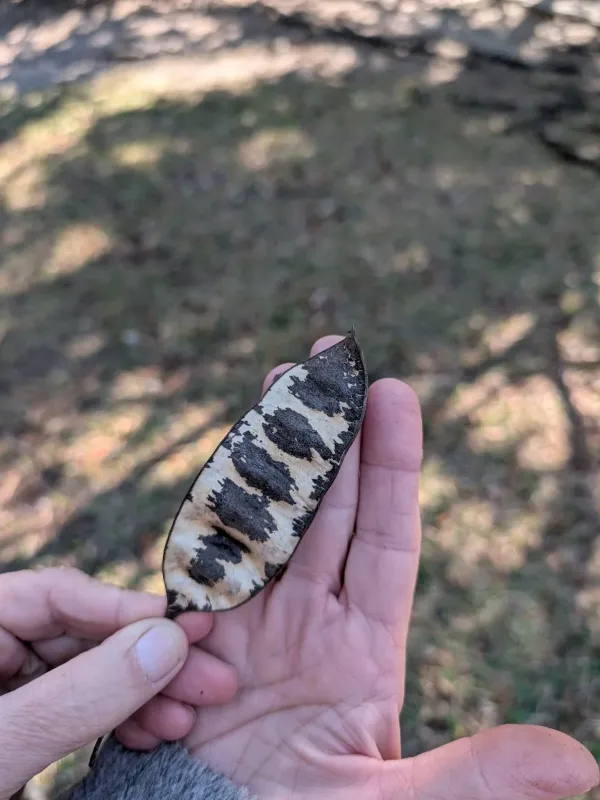
Description
Sowing dates
Lysiloma latisiliquum, belonging to the Fabaceae family, is a fast-growing tropical tree known as wild tamarind. Propagation is primarily via seeds, which possess a hard coat and require scarification to ensure uniform germination.
In natural habitats or forestry projects, seeds are typically sown just before the onset of the rainy season. Ideal temperatures for seed germination and seedling establishment range from 22 to 28 degrees Celsius.
Seedlings are raised in nurseries using well-drained, nutrient-rich potting media. It is essential to provide full sunlight, as the species is highly photophilous and tends to exhibit spindly growth in shaded environments.
Transplanting to permanent sites occurs when seedlings reach a height of 30–50 centimeters. A spacing of 3 to 5 meters is recommended to allow for adequate crown development in plantation or park settings.
The species displays high adaptability to various soil types, though it performs best in neutral to alkaline soils. Consistent irrigation during the establishment phase is vital for robust root development.
Growing requirements
This tree is native to the tropical and subtropical regions of the Caribbean, Mexico, and South Florida. It exhibits significant drought tolerance, allowing it to survive in regions with pronounced dry seasons.
Lysiloma latisiliquum requires open, sunny locations and is highly sensitive to frost. Temperatures near freezing can cause severe damage to young foliage and branches, necessitating protection in colder areas.
Soil requirements focus on drainage; the species naturally thrives on limestone or rocky substrates. While hardy, it responds favorably to light fertilization, which promotes faster biomass accumulation.
Agrotechnical maintenance includes periodic pruning to shape the canopy and improve structural integrity. Pruning should be performed during the dormant season to minimize sap loss and stress.
The tree possesses a strong root system, making it an excellent choice for soil stabilization and erosion control on sloped terrain, which is common in its native range.
Yield
The primary economic use of Lysiloma latisiliquum is timber production. Its wood is renowned for its strength, hardness, and durability, making it a preferred material for heavy construction.
The timber is widely utilized in furniture manufacturing and interior finishing. Its rich reddish-brown coloration and resistance to decay make it a valuable commodity in the local wood industry.
The tree also serves as a significant melliferous plant, with its flowers attracting bees. This contributes to local apiculture, supporting the production of high-quality honey in tropical environments.
In landscape architecture, the wild tamarind is valued for its airy foliage and attractive blooms. It is frequently incorporated into park designs and avenues to provide shade in hot climates.
Ecologically, the species aids in soil improvement through nitrogen fixation, thanks to its symbiotic relationship with root bacteria. This process benefits surrounding vegetation in mixed-species plantations.
Main diseases and pests
The most common health issues involve fungal infections triggered by poor drainage or high humidity. Symptoms often manifest as root rot or localized necrotic lesions on the leaves.
Pests such as scale insects and various leaf-eating larvae can pose a threat to plant vigor. Routine monitoring and integrated pest management strategies are advised to keep populations under control.
Wood-boring insects may attack trees that are already stressed by poor environmental conditions. Maintaining optimal health through proper site selection and watering is the best preventative measure.
Dense canopies in humid conditions can be susceptible to powdery mildew. Strategic thinning and pruning to improve air circulation within the canopy are effective ways to mitigate this risk.
Overall, Lysiloma latisiliquum is considered a resilient species with a strong immune system. When provided with adequate sunlight and well-drained soil, it remains a low-maintenance and productive tree.